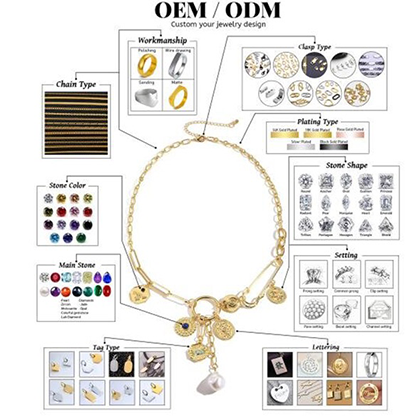
When creating jewelry pieces, designers start by turning those wild ideas into something actually possible using computer aided design software. This important step connects what artists want with what engineers can build, taking into account things like how strong the piece needs to be, what materials will work best, and what's realistically achievable in manufacturing. Artists work hand in hand with customers through quick drawings and realistic 3D models so everyone agrees on looks versus what actually works when it comes to balancing weights properly and keeping stones securely set. According to recent studies from Jewelry Tech Review last year, when teams spend time validating their CAD designs upfront, they end up needing about 40 percent fewer changes down the road. There are several important factors to think about at this stage including how much metal shrinks when casted, making sure prongs are thick enough to hold gems without breaking, and avoiding tricky shapes that won't fit into molds. Getting these details right early saves money later and keeps the original vision intact throughout the whole process.
When moving from digital designs to physical objects, prototypes let people actually touch and test how something feels in their hands. They check things like comfort when worn, how smooth the surface looks, and whether the piece holds together properly. Many makers start with either 3D printed resin models or old school wax casts for first samples. Bench jewelers report finding about two thirds of all design problems at this early stage according to industry surveys. Refining these prototypes usually means tweaking where weight sits on different parts, changing how rough or smooth surfaces are, and fine tuning those little clasps that keep jewelry secure. Each round of changes takes around a week or so extra time, but saves headaches later on since most production problems get caught beforehand. Good working relationships matter a lot during this phase because clients tend to notice new details they hadn't considered before just by handling the pieces themselves rather than looking at pictures alone.
The lost wax casting method offers around 0.3mm accuracy at reasonable prices when producing more than 50 units, though it struggles with really complicated shapes because of mold constraints. Direct metal 3D printing takes things further with sub 0.1mm precision using those layered building techniques. No need for molds means cheaper production for test models or limited runs. What makes this tech stand out is its ability to create hollow parts and those flowing organic shapes that just aren't possible with conventional approaches. There's a catch though - all that extra work after printing adds between 15 to 30 percent to overall lead time. When looking at items requiring intricate designs and quantities below 20 pieces, switching to 3D printing cuts costs roughly 40 percent and opens up so many more creative options for designers.
| Factor | Lost-Wax Casting | Direct Metal 3D Printing |
|---|---|---|
| Precision Tolerance | ±0.3mm | ±0.1mm |
| Cost Efficiency | Best 50 units | Best <20 units |
| Geometric Freedom | Moderate | High (e.g., internal channels) |
Gold alloys (14K–18K) require vacuum casting to prevent porosity. Sterling silver benefits from anti-oxidation coatings to combat tarnish. Platinum demands laser welding for flawless joins given its 1,768°C melting point. For gemstones:
Getting the details right matters a lot when making custom jewelry. For designers working with CAD software, being able to translate artistic visions into actual production specs is essential. Good partners need to know their way around the software inside out and handle design changes quickly without losing momentum. Precision counts too - even small mistakes matter. If tolerances go past ±0.05mm, problems start showing up fast, particularly with how stones sit in their settings or where parts connect together. That's why smart makers spend time on pre-production checks. They print out 3D models first to see if something feels comfortable against skin, cast wax versions to spot potential flaws before melting precious metals, and run tests to check how well pieces hold up when bent or stretched. These steps cut down defects by about 70% according to recent studies from Jewelry Production Journal. When looking at manufacturers, focus on those who build these quality controls into their regular operations. After all, what happens during testing often determines whether a piece lasts years or ends up back at the bench for fixes later on.
For brands making custom jewelry, balancing creative vision against business realities is pretty much a daily challenge. When customers want something really unique, it just doesn't make sense to mass produce these items. The cost per piece goes way up about 30 to maybe even 50 percent higher than regular stock items because everything from the labor to the materials is so specialized, plus we're talking about much smaller batches. And then there's the time factor too. Getting those intricate custom pieces done takes anywhere from four to eight weeks longer than standard work. This means manufacturers have to keep everyone on the same page all through the process from initial sketches to final touches on each individual piece.
Brands looking to get the most out of their operations need to focus on three main approaches. Let's start with modular designs. Keep those basic parts the same across different products but allow customization options for things like how gemstones sit in place or special engraving work. This cuts down on time spent developing new pieces and saves money on wasted materials. Next up, it makes sense to lock in deals for precious metals through yearly contracts. The price swings can be wild sometimes. Take gold as an example it jumped around by almost 18% just last year. Finally, going through stages when making prototypes works wonders. Get digital images approved first, then move to 3D printed models before ever touching real metal. Most companies waste tons of resources fixing problems after production starts because they skip these steps. About seven out of ten redesign requests come from issues spotted too late in the process.
| Factor | Customization Impact | Mitigation Approach |
|---|---|---|
| Per-Unit Cost | 30–50% increase vs. standard | Modular design templates |
| Production Time | +4–8 weeks | Concurrent engineering workflows |
| Material Waste | 15–25% higher | Pre-production digital validation |
Forecasting remains paramount—brands analyzing historical sales data can set optimal minimum order quantities (MOQs) to avoid capital lock-in while meeting demand. This balance ensures profitability without compromising the uniqueness central to custom jewelry manufacturing.
Custom jewelry manufacturing demands a delicate balance of creative flexibility, technical precision, and scalable efficiency—especially in B2B/OEM partnerships where quality, timelines, and cost control directly impact market success. Whether you’re developing luxury gold pieces, minimalist silver designs, or gemstone-embedded collections, partnering with a manufacturer rooted in OEM expertise ensures your vision translates to consistent, market-ready products.
With decades of experience in custom jewelry OEM/ODM, we specialize in end-to-end solutions tailored to global brands:
CAD design and technical validation aligned with your brand’s aesthetic and production goals.
Flexible manufacturing (lost-wax casting for bulk runs, 3D printing for low-volume/custom designs).
Strict quality control protocols (material sourcing, precision tolerance, defect reduction) to uphold OEM standards.
Scalable workflows that balance customization with lead time efficiency—critical for international trade.
We understand the unique challenges of B2B jewelry partnerships: from MOQ optimization to cross-border logistics support. Partner with a manufacturer that prioritizes your success. Contact us today for a no-obligation consultation, request sample prototypes, or discuss your bulk OEM production requirements—let’s turn your custom jewelry concepts into profitable, globally competitive collections.

 EN
EN
 Hot News