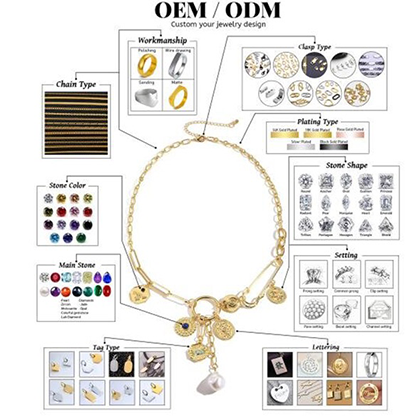
Working with a wholesale jewellery shop near me eliminates cross-border shipping delays and customs complexities. Regional suppliers reduce lead times by 70% compared to overseas partners—helping you avoid stockouts during peak seasons and maintain consistent inventory flow.
Local sourcing minimizes transit damage, avoids international shipping surcharges, and enables same-day collection or delivery within 1–3 days. This agility closes inventory gaps before they impact sales—unlike overseas fulfilment, where delays often mean missed opportunities and dissatisfied customers.
Visit the warehouse to verify gem clarity, metal purity, and craftsmanship firsthand. Touch stones, inspect settings under magnification, and identify plating inconsistencies before purchase. Ethical local suppliers openly showcase responsibly sourced materials and welcome in-person audits—building trust through transparency and direct engagement.
Begin checking out local business directories and chamber of commerce listings first since these organizations actually verify if suppliers are legitimate operations. Many small towns have chambers that will double check addresses and phone numbers before listing anyone. Then look into national jewelry trade groups like Jewelers of America or the UK's National Association of Jewellers. These groups don't just throw anyone into their directory; they actually assess member shops on things like product quality, ethical sourcing practices, and whether they follow industry regulations. When using search engines, try specific queries such as "wholesale jewelry supplier in [City Name]" or "find jewelry wholesalers nearby." Don't forget to sort results by distance from your location and pay attention to how consistent reviews appear across different platforms. Always go for companies that have full bios with photos of actual inventory rather than vague descriptions. And absolutely make time for regional jewelry trade shows whenever possible. At these events, buyers can meet face to face with manufacturers who've already been screened by event organizers. The hands-on experience of seeing products up close and talking directly with reps builds trust that simply cannot be replicated through digital interactions alone.
When shopping around, look out for these good signs that indicate genuine operations. First off, check if there's an actual warehouse they'll let you visit. Proper certifications from hallmarking offices or assay services matter too. Prices should be clear cut without any sneaky extra charges popping up later on. And it helps when manufacturers have solid paper trails showing where materials come from. On the flip side, watch out for companies hiding behind generic address lines or PO boxes only. If they won't show their facilities or can't produce proper paperwork, that's definitely a warning sign. Prices way under what others charge usually means something's fishy somewhere along the line. Salespeople who push too hard might also be covering up problems. Never forget to double check company registrations at government websites like Companies House in Britain or the Secretary of State site across the pond in America. For folks interested in recycled gold or ethical gemstones, asking about supply chain reports isn't just nice to know stuff anymore it's practically essential information these days.
When choosing suppliers, look for those that offer third party verified marks such as UK Assay Office stamps or US FTC approved metal information along with proper material certifications. These documents help verify if the metal is pure, where gems come from, and whether they were obtained ethically. Most conscientious buyers these days ask for paperwork that fits standards like the Responsible Jewellery Council's Code of Practices or diamond certification under the Kimberley Process. Working locally can really boost traceability too. Try visiting actual workshops to check their records on sourcing, batch logs, and what certifications their refineries have. For recycled metals, insist on seeing all the details including refinery certificates and proof that gold comes from fair mines through programs like Fairtrade Gold or Fairmined. If a supplier seems reluctant to show specific batch documentation or just throws around vague terms like "ethically sourced" without any real proof, that usually means they're dealing with inventory that doesn't have clear origins.
Getting good deals from local suppliers isn't just about fighting over prices at the table. Think bigger picture: work out ways to get better payment schedules, lower minimums when ordering stuff, maybe even get first dibs on restocks so money stays in the bank longer. Stores that build real partnerships with their suppliers often see profits jump by around 20-25%, thanks to things like letting suppliers keep inventory until sold, creating special items only available locally, and working together on predicting what customers want next. Never skip looking at actual products before placing big orders though. Seeing them firsthand checks if they match what was promised, makes sure all those quality tests were done right, and saves headaches down the road from having to send back defective goods. When talking to suppliers, bring up ideas for growing together instead of just buying stuff. Maybe design some collection together, partner with local craftspeople, or run ads that feature both brands side by side. Keep talking regularly, share what's selling well and what's not, set goals together. These simple steps turn ordinary business relationships into something stronger, turning that "wholesale jewelry shop near me" sign into a true extension of the brand that can weather any storm.

 EN
EN



 Hot News