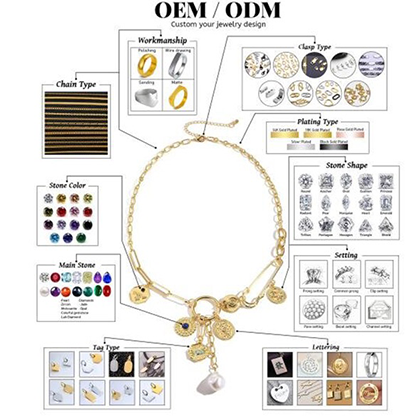
What makes 316L stainless steel so safe for skin contact comes down to how its metals are mixed together. The nickel content stays around 10 to 14 percent, which helps chromium create this protective oxide layer on the surface. And then there's about 2 to 3 percent molybdenum thrown in too. According to research from the International Journal of Dermatology back in 2025, this combination actually cuts down on corrosion problems and keeps nickel from leaching out by nearly 78% when compared regular surgical steel. The way these three elements work together basically creates a barrier against things like sweat and body oils during normal daily use. Now, it's worth noting that roughly 17% of adults have some kind of nickel allergy according to data from the American Contact Dermatitis Society in 2024. But tests show that 316L only releases less than 0.2 micrograms per square centimeter each week. That's way under the EU limit of 0.5 micrograms set by their Nickel Directive. Because of all this, doctors and consumers alike tend to prefer 316L when dealing with sensitive skin issues.
Real-world validation confirms 316L’s hypoallergenic performance. A landmark 500-participant trial published in the International Journal of Dermatology (2025) found 98% of participants with confirmed nickel allergies experienced zero reactions over six months of continuous wear—including during exercise, swimming, and sleep. The study simulated daily stressors with controlled exposure metrics:
| Test Parameter | 316L Performance | Industry Average |
|---|---|---|
| Sweat resistance | Zero corrosion after 500hrs | Surface pitting |
| Nickel ion release | 0.18 µg/cm²/week | 0.83 µg/cm²/week |
| Allergic incidents | 2% (n=10) | 27% (n=135) |
Dermatologists routinely recommend 316L for new piercings and long-term wear—praising its balance of biocompatibility, flexibility, and durability over titanium and sterling silver.
The secret behind 316L stainless steel's resistance to corrosion lies in molybdenum content. When this metal makes up around 2 to 3 percent of the alloy, it creates an oxide layer on the surface that actually pushes away harmful chloride ions. These ions come from all sorts of places we don't think about - our own sweat contains up to 3,000 parts per million of them, not to mention pool chemicals or seawater. Regular stainless steels without molybdenum just can't handle this kind of stuff over time. They start showing those annoying pits and cracks where corrosion gets in. But 316L keeps looking good even when exposed for long periods. Lab tests have shown that jewelry made from this material stays bright and intact through multiple rounds of saltwater testing. That's why so many people who spend time in water environments prefer 316L pieces they know won't tarnish or break down.
A rigorous 24-month independent wear study quantified long-term resilience across common jewelry materials:
| Material | Corrosion Resistance | Scratch Resistance | Tarnish Incidence | Maintenance Frequency |
|---|---|---|---|---|
| 316L Stainless Steel | Excellent (0% corrosion) | High (90% retention) | None | Minimal (wipe clean) |
| Sterling Silver | Moderate (35% corrosion) | Low (visible scratches) | High (monthly tarnish) | Intensive (weekly polishing) |
| Titanium | Excellent (5% corrosion) | Very High (95% retention) | Low (minor oxidation) | Low (occasional cleaning) |
316L outperformed sterling silver in corrosion resistance by 100% and surpassed titanium in chloride-rich environments. While 97% of sterling silver samples tarnished within six months—and titanium developed micro-fissures at welded joints after saltwater exposure—316L maintained zero corrosion, zero tarnish, and full structural integrity throughout the trial.
The world of 316L stainless steel jewelry has changed completely thanks to 3D printing technology. With digital designs and additive manufacturing techniques, jewelers can create intricate shapes that would be impossible with traditional casting methods. Think about those comfortable wristbands shaped perfectly around the hand or ear cuffs designed to let air flow naturally without feeling stuffy. When creating prototypes, there's almost no material wasted anymore. Lead times have dropped dramatically too - we're talking about cutting down waiting periods by roughly three quarters compared to older approaches according to recent research published in the Journal of Materials Processing Technology back in 2025. Active individuals benefit greatly from these innovations since they get lighter jewelry that actually moves with them during workouts or daily activities while still being strong enough to last. Plus, manufacturers can handle all sorts of production needs nowadays, whether someone wants just one unique piece made specifically for them or hundreds of identical items crafted with exact specifications. This makes high quality, precisely fitting 316L jewelry available not just for special occasions but for regular wear as well.
316L stainless steel has some real circular economy benefits going for it. Around 92% of this material can actually be recycled again and again without any degradation in quality or performance, which means we don't need to keep mining new raw materials all the time. Studies from the Sustainable Materials Review back this up, showing that using recycled 316L cuts carbon emissions by about 60% compared to producing virgin silver, particularly when the manufacturing process runs on clean energy sources. There are also third party certifications out there, like the ISO 14021 standard, that help verify exactly how much recycled content products contain. With more people making environmentally friendly decisions these days, 316L stands out as a genuinely sustainable option. It resists corrosion, doesn't break down over time, and can always be recovered at end of life, combining long lasting properties with responsible resource management well into the future.

 EN
EN
 Hot News