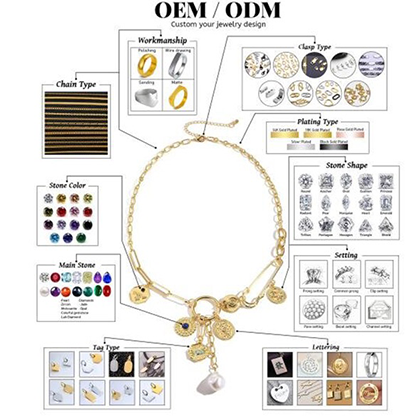
When talking about jewelry design, beads really set the whole look. They come in all sorts of materials these days glass, stones, resins, wooden ones, even metals each with their own feel, how heavy they are, and how they catch the light when worn. The strings we use matter too. Flexible options include nylon, silk threads, or those stretchy synthetic cords. Chains vary as well cable links, curb styles, box patterns they all hold things together differently. What kind of cord we pick changes how the piece hangs on the body and keeps knots from coming undone. Chain selection makes a big difference in how fancy something looks versus just being functional. Spacers are another important element. These can be small metal rings, ceramic separators, or tiny seed beads that sit between larger focal points. Without them, beads would rub against each other and get damaged over time, plus they keep everything spaced evenly for better appearance. When working on multiple strands at once, many jewelers swear by using bead boards or special software programs to map out where each component goes before actually threading anything through. This saves so much frustration later on during assembly.
Clasps do double duty as both practical fasteners and style statements. Lobster clasps work great for most everyday wear since they snap shut reliably and can handle moderate weights. Toggle clasps have that old fashioned charm people love, plus they're super easy to operate with just a simple push and pull motion. When it comes to jump rings, there are two main types: open ones that let us assemble things quickly, and those seamless ones meant to stay put forever. Just remember to pick the right size and thickness based on what needs connecting. Split rings act kind of like tiny key rings but stronger, making them perfect for heavier pendants or anything that gets worn constantly throughout the day. Magnetic clasps are fantastic for anyone who struggles with stiff joints or limited dexterity, although these magnets aren't strong enough for anything too heavy. And don't forget about metals mixing together! Stainless steel jump rings paired with softer gold filled chains will eventually corrode over time if left together, so always check compatibility before putting different metals together.
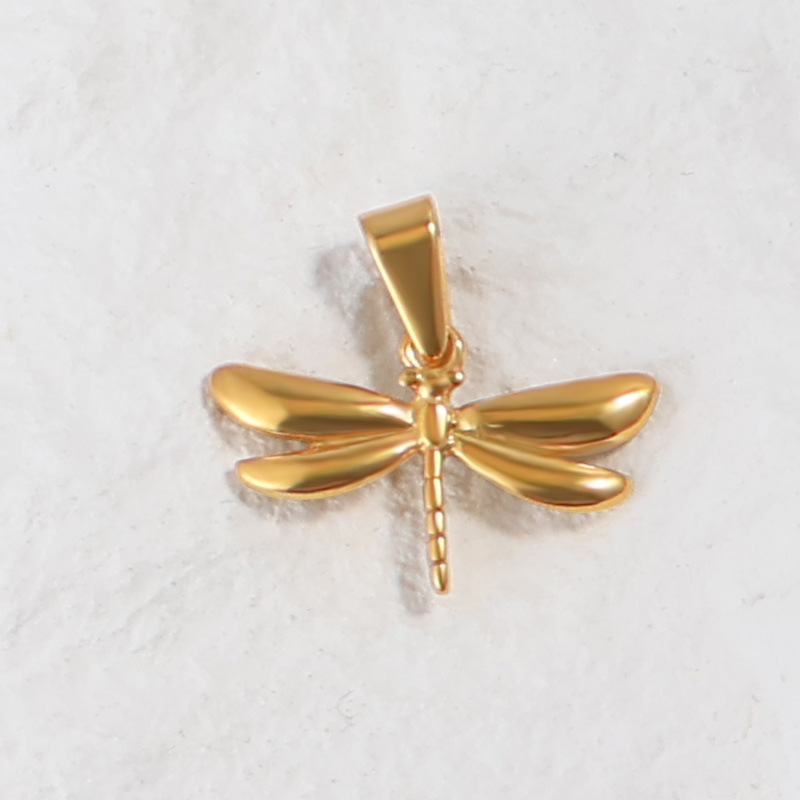
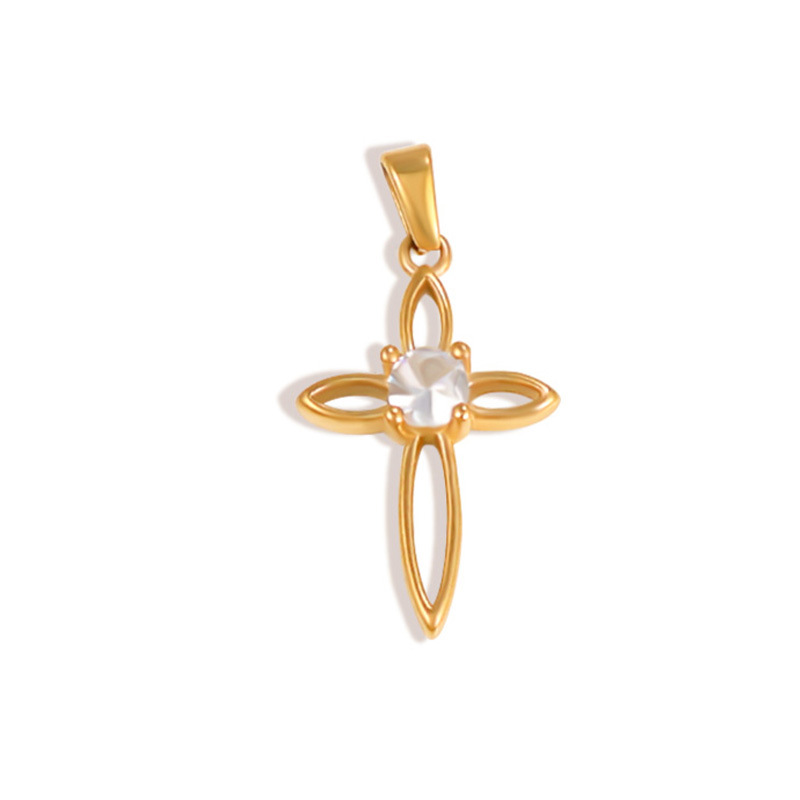
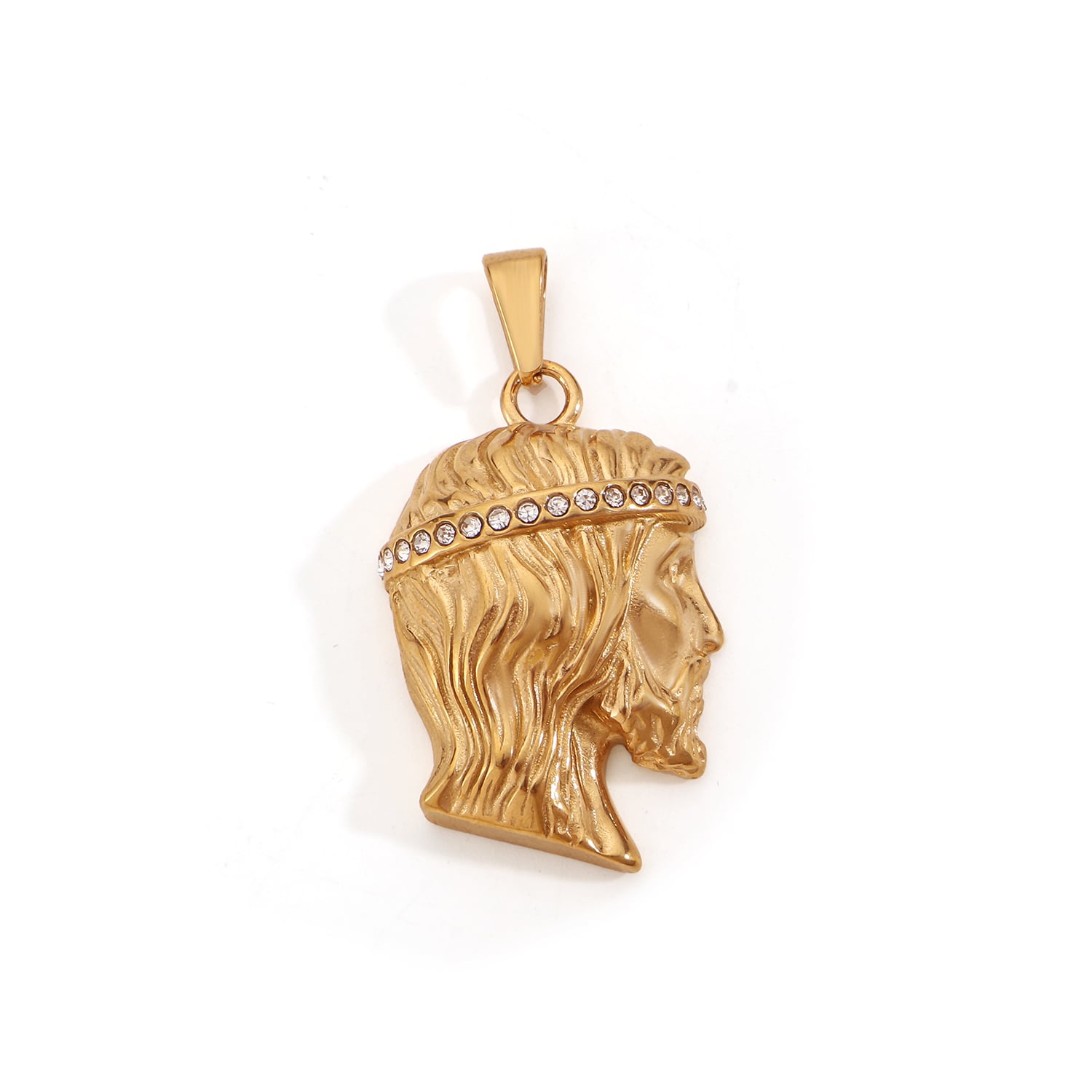
Headpins are used to attach individual beads and make sure they stay put in dangle designs. Eyepins work differently by connecting multiple components together, which is great for making charm chains or those beautiful cascading earrings we all love. When it comes to securing wires, crimp beads or crimp tubes are the way to go. Just squeeze them with special pliers and voila! They give a neat finish that lasts forever, something really important for keeping necklaces and bracelets from falling apart over time. Bails come in handy when drilling isn't an option for hanging pendants, particularly useful for fragile gemstones or handcrafted ceramic pieces. Most jewelers find that 22 gauge dead soft copper works well for wrapping projects because it bends easily but still holds its shape after shaping. The same goes for half hard sterling silver too. Getting consistent finishes matters a lot for how everything looks together. Think about uniformly darkened brass or silver with that nice matte sheen. A quick check of industry reports shows that around 30% of people who buy handmade jewelry mention inconsistent plating as their biggest quality concern according to last year's Craft Industry Benchmark findings.
For many people just starting out with jewelry making, stringing beads is probably the easiest way to get going. It doesn't need much equipment at all, and even beginners can make something that looks pretty good within an hour or so. The basics are simple enough: beads themselves, along with things like those coated steel threads or soft leather strings, plus some little spacer pieces between them. Then there's the clasp part - most folks go with either lobster clasps or toggle ones because they work well and aren't complicated to use. Stringing works great for making bracelets, short necklaces around the neck area, or those fancy layered looks where multiple chains hang together. Newcomers often find themselves getting into color combinations, spacing patterns, and how different lengths look next to each other without worrying too much about complex techniques. A recent survey from last year showed that about 8 out of 10 new crafters felt much more confident after finishing just three bead stringing projects, which really shows how valuable this approach can be for building skills and sparking creativity. When putting together pieces meant to last longer, especially if someone plans to give them away or sell them later, it makes sense to invest in UV resistant cord materials and avoid any clasps containing nickel content. These small choices actually make a big difference over time.
Wire wrapping takes good hand-eye coordination but opens up so much creative possibility, from basic wrapped loops all the way to intricate woven designs. Getting it right starts with picking the right type of wire based on its properties. Beginners often start with dead soft copper since it bends easily, while half hard sterling silver works better for actual jewelry pieces that need to hold their shape. For something light yet elegant, many artists turn to fine gauge gold filled wire. When working with headpins and eyepins, they really need to match both the thickness and hardness level of whatever wire we're using, otherwise things just bend or snap when making those loops. The same goes for crimp beads and bails – get them too big and the connection gets weak, go too small and the whole thing slips apart. Finishes matter too. Mixing polished silver with aged brass can create some nice visual contrast if done intentionally, but having mismatched plating in one piece looks sloppy and unprofessional. At this point, understanding materials becomes part of the craft itself, setting students up for tackling more complicated methods down the road like chainmaille work or coil making techniques.
Choosing the right accessories connects what we make today with where our work might go tomorrow. Newcomers should start with components that give them some room for error like pre-notched beads, those big eye clasps, and jump rings between 4mm and 6mm in size. These basics cut down on frustration during assembly while helping hands get used to the motions. More experienced crafters know their way around specialized gear such as micro crimp tubes and those super accurate laser cut spacers which help create pieces that look consistent enough for display quality work. What materials are used matters a lot for how long things last. Nickel free options with rhodium plating hold up better against tarnishing when worn in sweaty conditions or humid places. Tests done according to ASTM standards show these can actually last 2 to 3 extra years before showing signs of wear. When building larger collections, stick to standard sizes throughout like 5mm split rings or 20 gauge head pins. This makes managing stock easier, speeds up making prototypes, and allows designs to be mixed and matched. A simple pendant could become part of a necklace one day and then transform into earrings another thanks to different bail attachments. The best body of work doesn't come from trying to include everything possible. Instead, focus on perfecting a smaller range of really good accessories that continue supporting creative growth over time.

 EN
EN
 Hot News