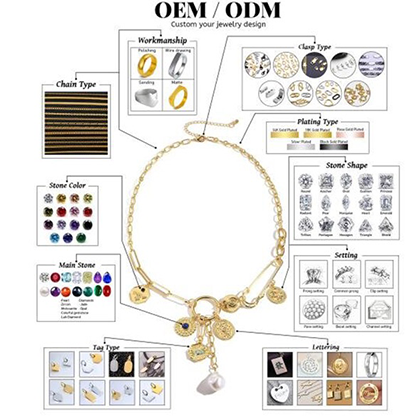
Stainless steel pendants hold up really well in places with lots of foot traffic, standing up to corrosion where cheaper materials just fall apart over time. The metal stays strong for over ten years even in tough spots like hotels and factories according to what many industry folks have observed. This long life means fewer replacements needed something that matters a lot since rust problems alone can drain about $740,000 per year from business budgets as reported by the Ponemon Institute back in 2023. Regular plating options tend to break down once the coating starts wearing away, but real stainless steel doesn't have this issue because it's made throughout instead of just coated on top, so it keeps performing reliably without breaking down.
When evaluating total cost of ownership (TCO), custom stainless steel pendants outperform alternatives through measurable lifecycle advantages:
A recent TCO analysis demonstrates how stainless steel’s end-of-life recyclability offsets initial investment more effectively than non-recyclable coated alternatives. Combined with reduced maintenance downtime, this delivers 20–30% lower 10-year ownership costs compared to decorative finishes.
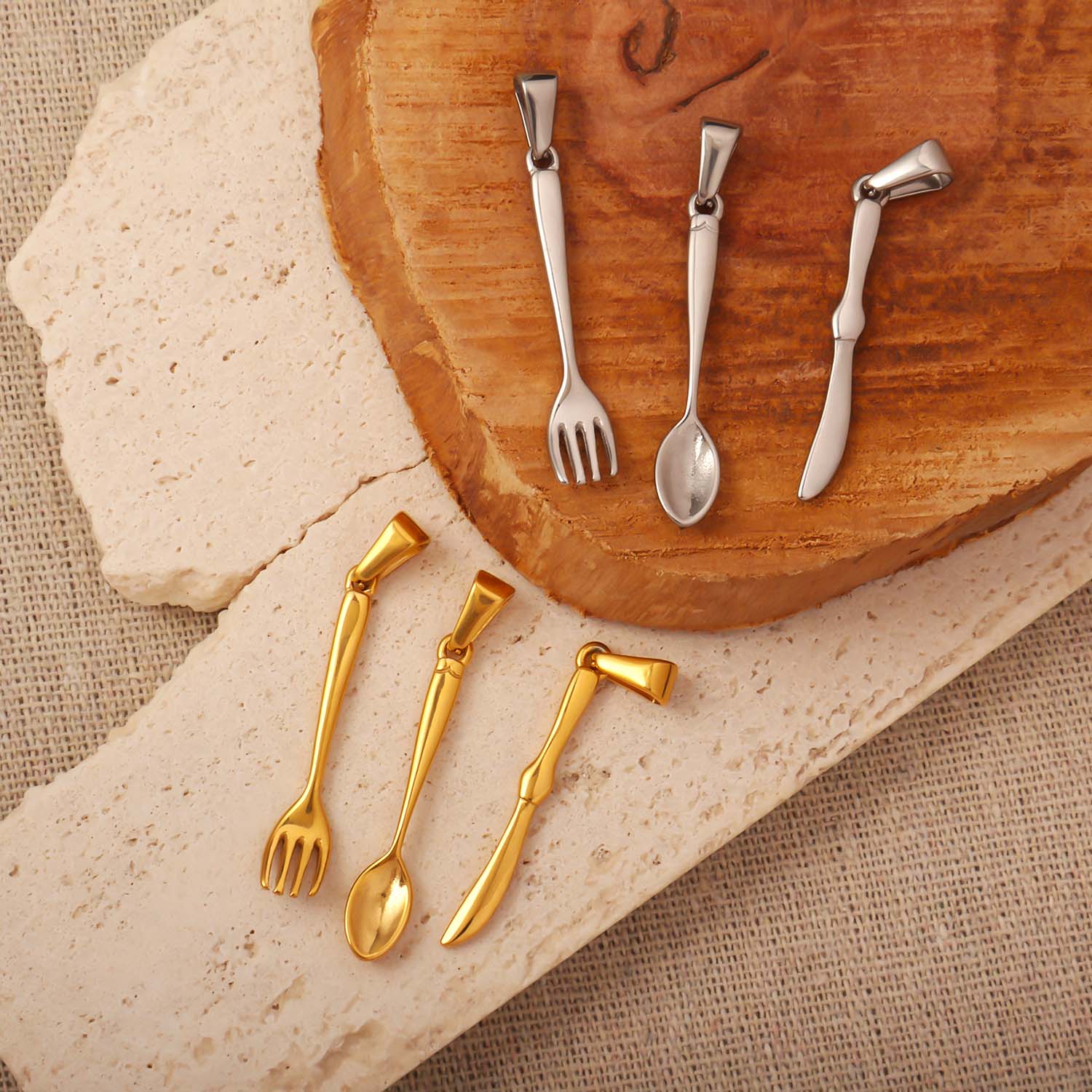
Stainless steel pendants turn brand identities into physical markers throughout various sectors. Engineering companies use these pendants as tags for factory equipment that needs to meet safety standards, especially since they resist rust even when exposed to moisture all day long. Hotels and restaurants have started putting them on room numbers and directional signs too because staff need to clean those areas constantly and regular materials just don't hold up. City planners are also getting smart about using stainless steel for signs in bus stations and public parks where people might try to damage them or where rain and snow would wear down cheaper options. According to a recent study from architects back in 2023, around two thirds of design professionals now look at how long materials will last before making choices for busy spaces. All these different uses show why stainless steel makes sense for expanding brand visibility without breaking the bank compared to brass versions which need replacing much more frequently over time.
PVD technology gives brands control over their color schemes without relying on outside vendors. The molecular bonding process produces colors like rose gold, matte black, and ion plated titanium that just won't fade even after years of wear and tear. Traditional electroplating methods can't match this kind of durability. With PVD's vacuum chamber setup, companies get accurate Pantone color matches right in their own facilities. No need to wait weeks for coatings from overseas suppliers anymore something that holds up around 74% of all manufacturing projects these days, per recent industry reports. Manufacturers love how quickly they can test new colors within 48 hours and scale production from small prototypes to batches of 5,000 units. This flexibility means no minimum orders required and less wasted stock sitting around. Plus, every piece maintains the same look whether it's shipped from New York or Tokyo, making those little pendants powerful tools for building brand recognition worldwide.
The agility of modern manufacturing has completely changed the game for companies making custom stainless steel pendants. Businesses can now iterate designs much faster and scale production in ways that old school methods simply couldn't match. When using CAD to casting workflows, prototypes get made in about two days thanks to digital accuracy and automated tools. Engineers actually get to hold and test these samples before going into full production runs. What used to take weeks is now done in days without compromising on material quality. This matters a lot when creating intricate shapes for company logos or those fancy architectural pieces that need both strength and visual appeal.
Production scales seamlessly from pilot batches of 50 units to full runs of 5,000+ without retooling delays, as verified by 2023 industrial case studies showing 92% faster time-to-market versus conventional fabrication. The integrated workflow progresses through three optimized stages:
| Stage | Timeframe | Batch Size | Output Quality |
|---|---|---|---|
| CAD Design | ~24 hours | N/A | Digital validation |
| Prototyping | 48 hours | 1–5 units | Production-grade |
| Full Production | 1–4 weeks | 50–5,000+ units | Commercial deployment |
This granular control over stainless steel fabrication allows brands to respond to market trends with surgical precision, turning conceptual designs into shelf-ready products before competitors complete traditional sampling phases.
Stainless steel pendants labeled hypoallergenic actually pass strict tests for being safe against the body, meeting standards like ASTM F2923 for jewelry safety and following NIOSH recommendations too. These pendants help avoid nickel problems which trouble around 15% of people according to research from Dermatitis Journal last year. The importance of these certifications becomes clear when looking at hospitals where medical staff wear equipment that touches their skin all day, but also matters a lot in schools where kids need protection from allergic reactions during regular activities. Medical grade 316L stainless steel doesn't react with skin and stays clean longer since bacteria have trouble sticking to it. This makes sense for places where things get handled constantly over time without worrying about rust or other issues. When institutions choose materials that have been checked by independent labs, they gain confidence from stakeholders and make life easier during those dreaded compliance checks that happen every few years.
 EN
EN
 Hot News