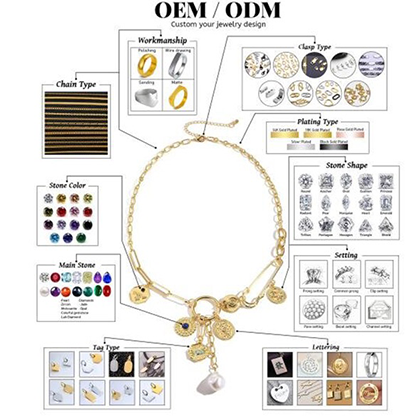
The Japanese Miyuki Delicas are these super precise seed beads cut to within about 0.05mm accuracy, which makes them absolutely perfect for those complicated bead patterns in modern necklaces. When it comes to glass beads, there's really something for everyone style-wise. The Czech fire polished rounds just glow with amazing reflections, whereas those handmade lampwork beads bring this wonderful personal touch that machine made ones can't match. Want some earthy contrast? Hematite beads give that cool metal look, and then there's freshwater pearls too. They have this gentle sheen and each one is slightly different from the next, adding that natural element so many jewelry makers love.
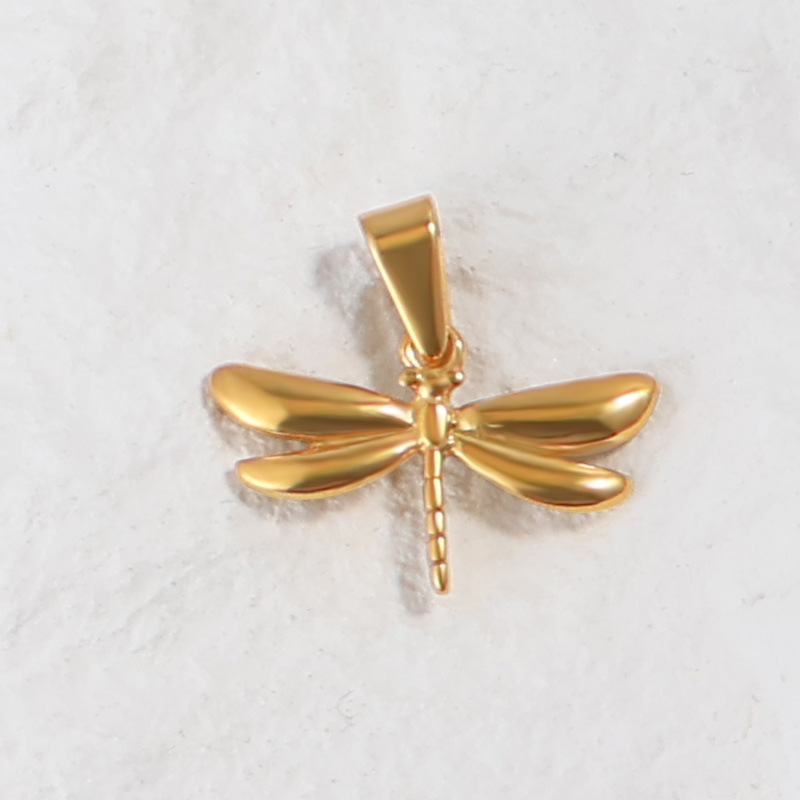
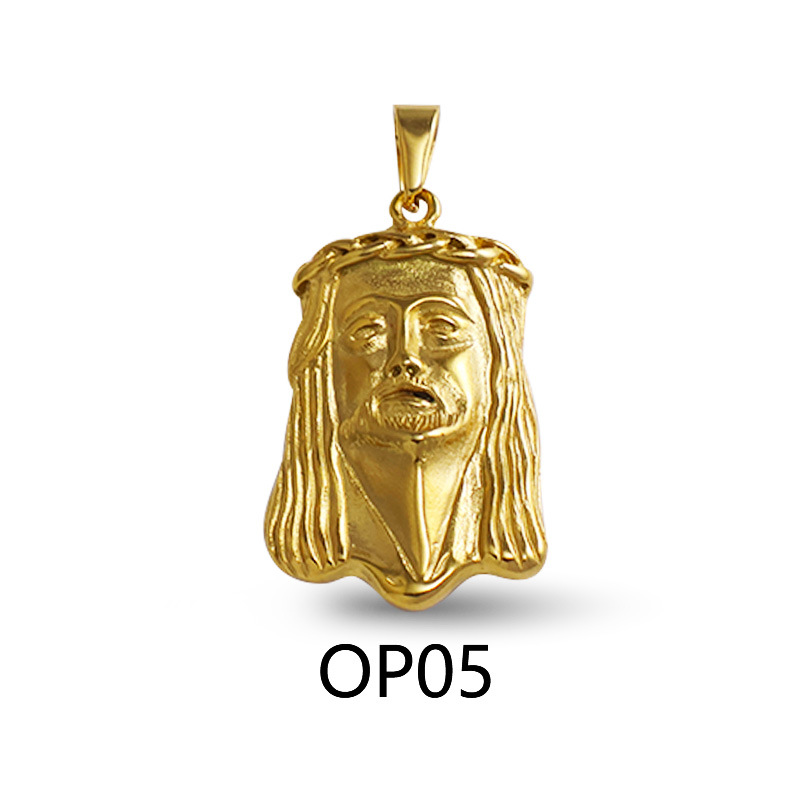
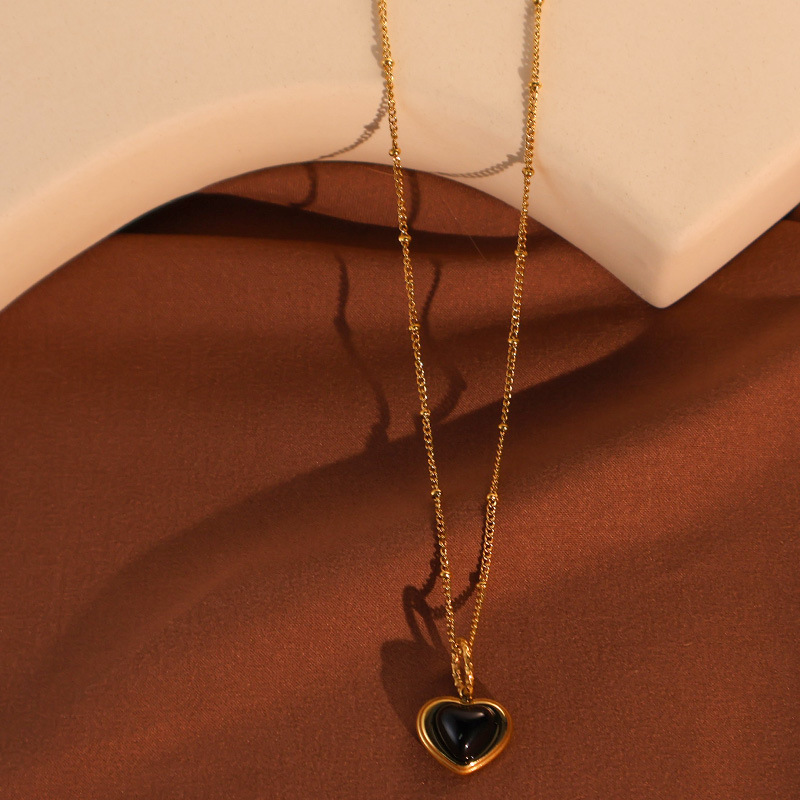
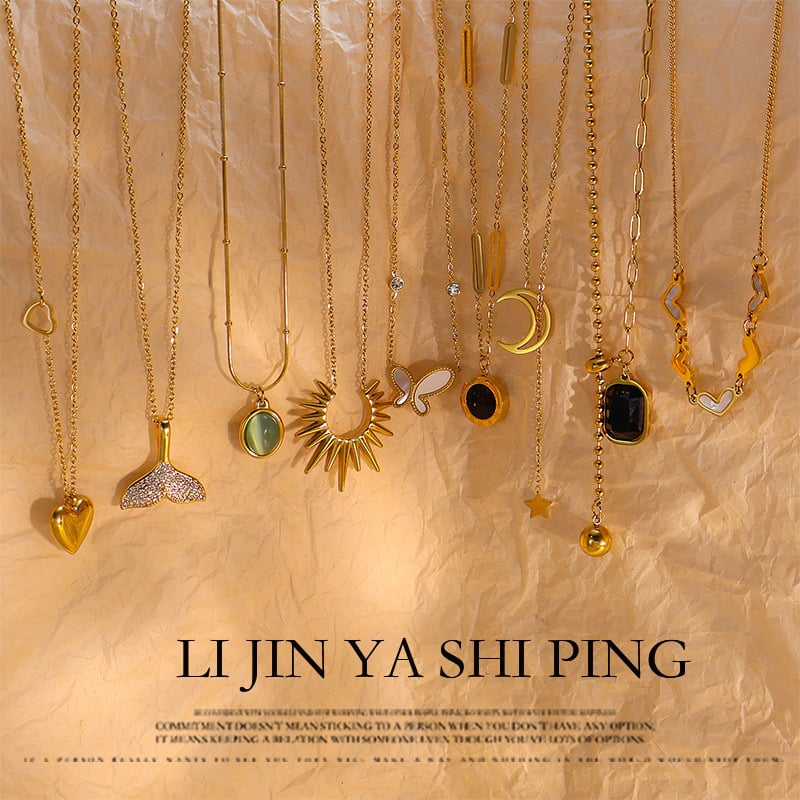
The pendant is basically what makes or breaks a necklace's look. Swarovski crystals really pop on fancy outfits because they catch light so well, while enamel charms let people play with bold colors and striking shapes. For those who prefer simple styles, brass pendants with clean geometric shapes work great to keep things looking sharp. And when combining small charms with little gemstone drops, there's this nice movement effect that adds depth without making the whole piece too busy. It all comes down to finding the right balance between elements.
Thread selection directly affects durability and drape. Nylon-coated stainless steel wire (#0.5mm) supports heavy gemstones, while 8lb-test monofilament suits lightweight glass or seed beads. Sustainable alternatives now match performance expectations:
Always match thread flexibility and diameter to bead hole size—silk for fine seed beads, bonded nylon for irregular stone chips.
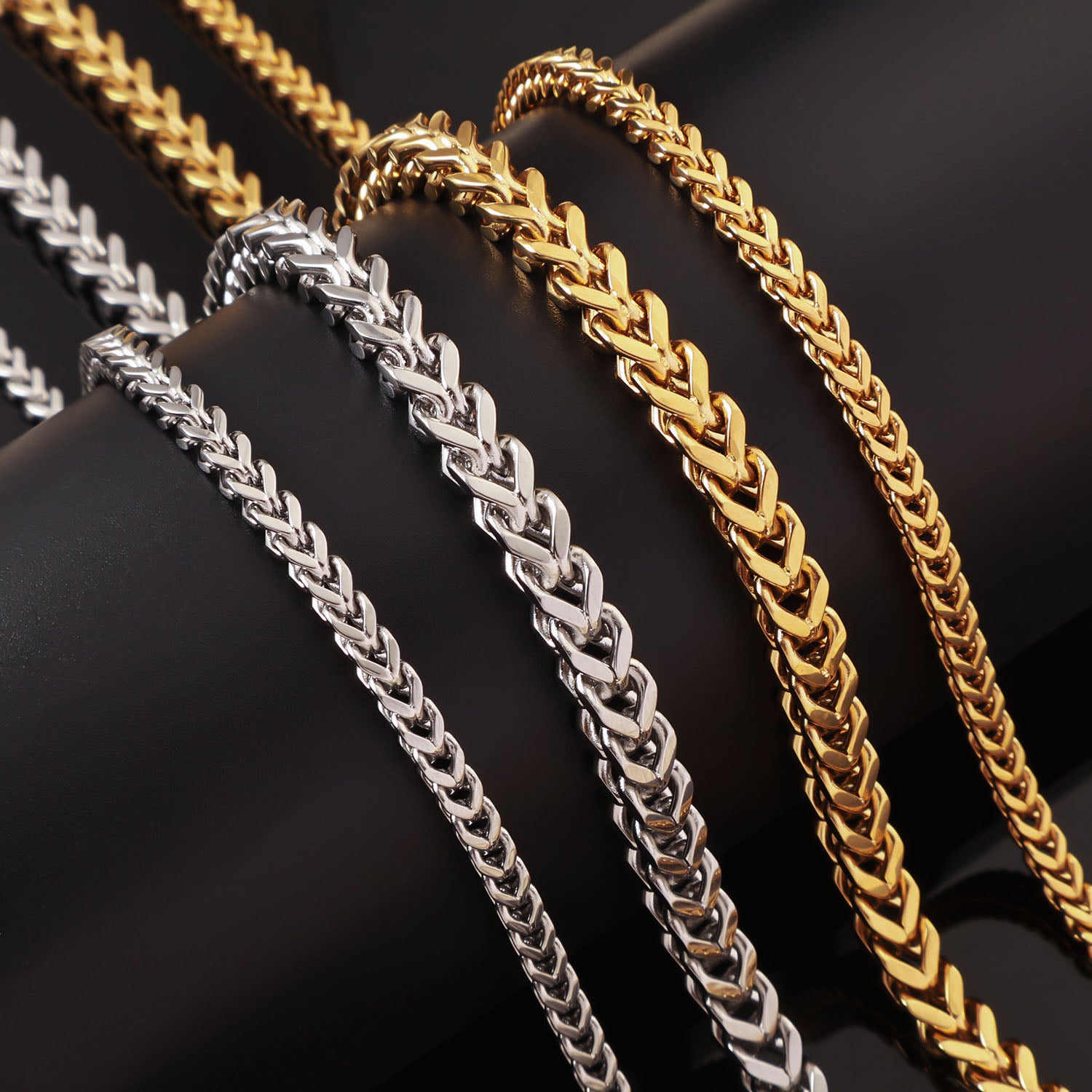
The durability of metal findings really makes all the difference when it comes to how long necklaces last and whether people actually want to wear them daily. Stainless steel is great because it doesn't cause allergic reactions and holds up well through regular wear. For those looking for something with more sparkle without breaking the bank, gold filled components strike just the right balance between luxury and affordability. Many responsible jewelry makers have switched to recycled brass and steel these days. According to recent industry data from sustainable practices reports, this switch cuts down on material waste by around half compared to making everything from scratch. When shopping for pieces that will stand the test of time, keep an eye out for these materials which not only look good but also do good for our planet.
These choices support both minimalist aesthetics and sustainable values without compromising function.
Hardware has evolved from hidden utility to expressive focal point. Industrial carabiners merge urban functionality with intentional design, while oversized links (5mm—15mm) define bold silhouettes seen across 2026 runway collections. Creole-inspired oval links and sculptural closures reinterpret heritage craftsmanship through a modern lens. Designers increasingly favor:
This shift reflects growing demand for personalized, statement-driven pieces—68% of professional artisans report rising client interest in customizable hardware (Craft Trends Survey 2026).
Diamonds and emeralds grown in labs are catching up to their mined counterparts when it comes to how they look and perform optically, including factors like sparkle, hardness, and clarity. Plus, they sidestep all those nasty environmental issues and human rights problems that come with digging them out of the ground. Natural stones like quartz, agate, and moonstone still hold their own as great options too. People want to know where their gems come from these days, and demand for ethically sourced stones is expected to jump around 18% each year until 2026 according to the Ethical Gem Audit report from 2025. What's really interesting is that these alternative materials can create stunning jewelry pieces while costing roughly 30 to 40 percent less than traditional gems. Jewelers can stick to their ethics without having to compromise on beauty or quality. Consumers seem to get this too. About two thirds of people buying handcrafted necklaces care deeply about being able to track exactly where their stones came from, per the Jewelry Sustainability Index data from last year.
Designers today are pushing what's possible with materials, using things like plant based raffia cords and old ceramics pulled from industrial waste to create beautiful bead caps, pendants, and spacers that look nothing like trash. The algae based cords and PLA filaments made from renewable stuff actually break down in about five years, which cuts down on environmental problems way more than regular plastics that hang around for hundreds of years. According to some recent studies from the Green Crafts Council back in 2025, these eco friendly options slash microplastic pollution by almost 92%. Pair them with beads made from seeds or plain untreated wood and suddenly we're talking about necklaces that can go straight into compost bins after use. Sure, there's still work to do, but it shows that wanting something stylish doesn't have to come at the planet's expense.

 EN
EN
 Hot News