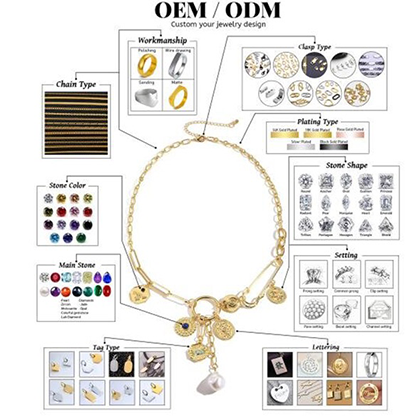
Getting the right supplies matters a lot when making necklaces because it affects how well the design turns out. Beads that are all the same size help keep patterns looking neat and symmetrical. Wire thickness makes a big difference too. Thin wires around 0.5mm work great for delicate chains, but thicker ones at about 0.8mm are needed where extra strength is required. Bad crimps actually cause most necklace problems according to some recent research from Jewelry Craft Quarterly last year, so good quality crimp tubes really matter for keeping everything securely fastened. When materials are consistent in size and quality, jewelry makers don't waste so much time fixing issues and can focus on creating designs that look good and stay put over time.
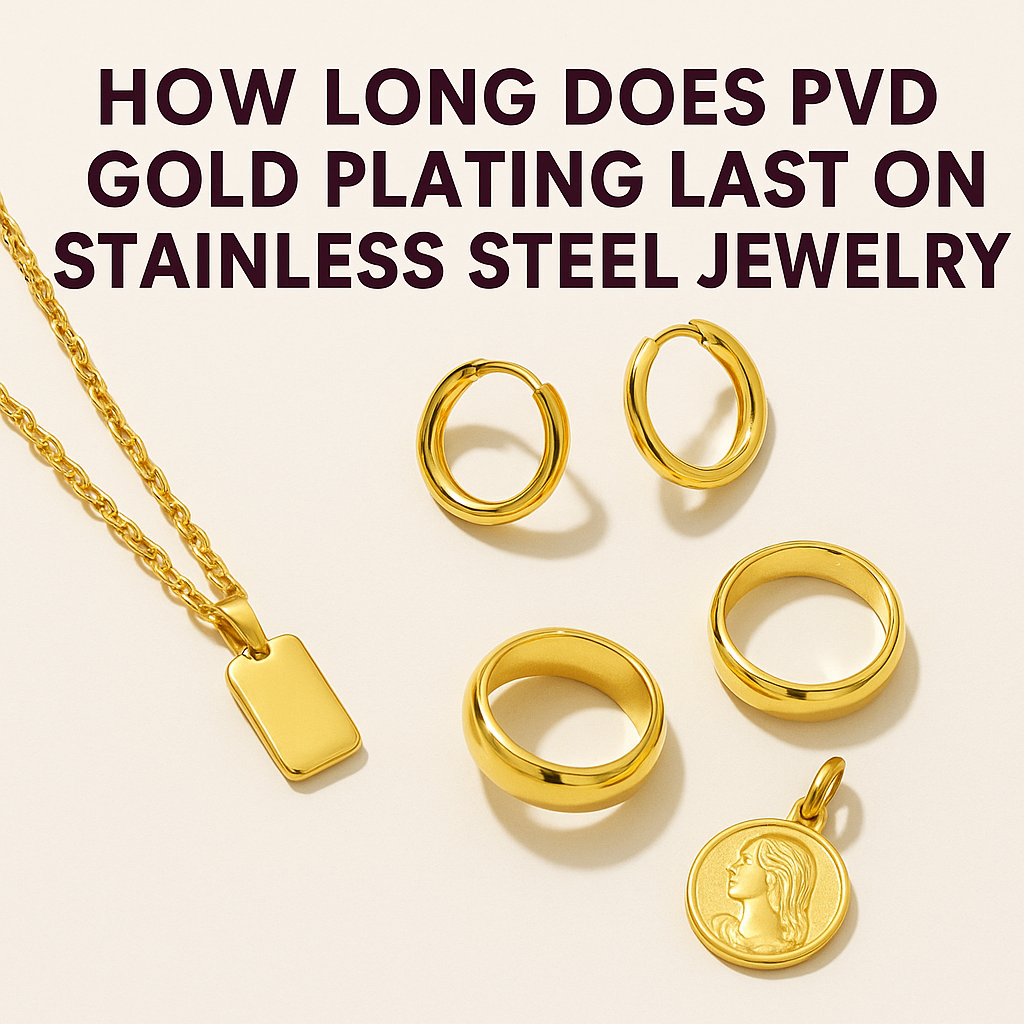
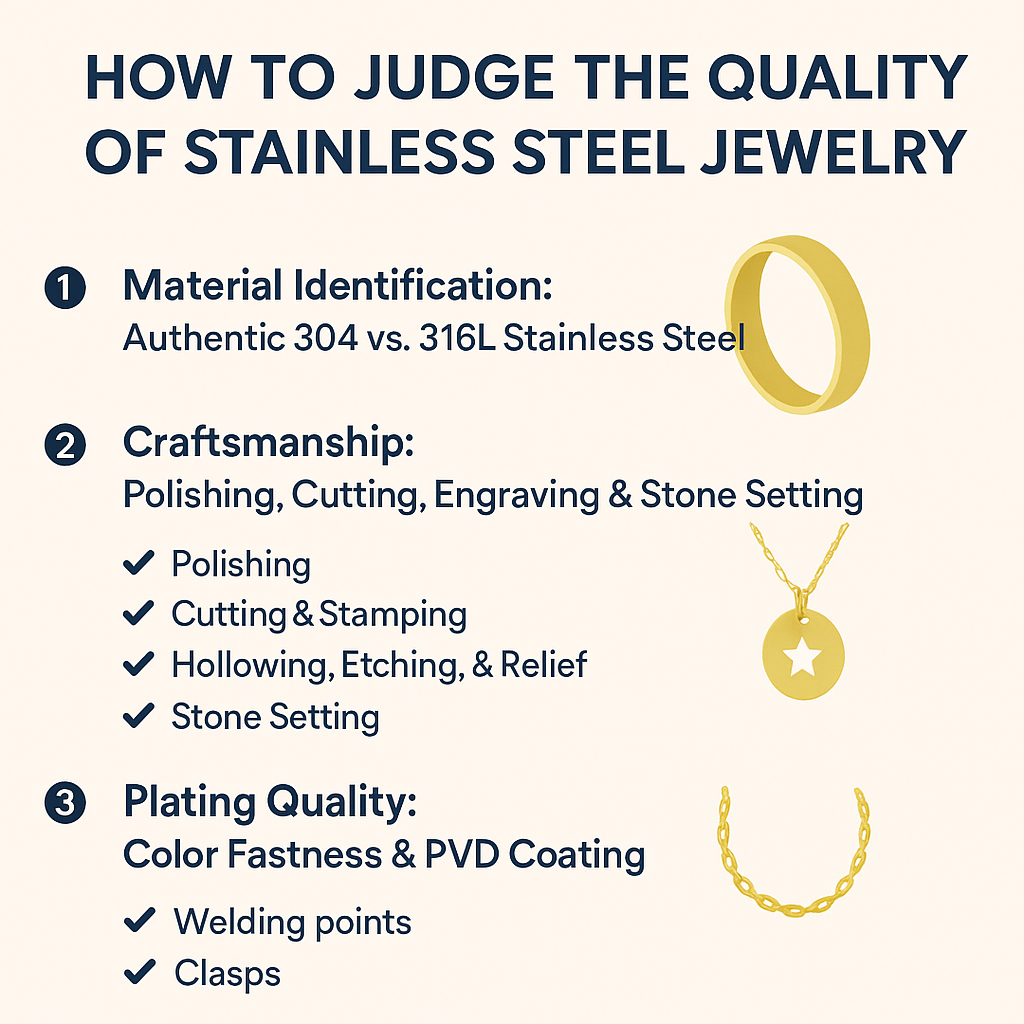
How long a necklace looks good really comes down to what it's made from, not just how it looks when first put together. Cheap beads tend to lose their color pretty quickly once exposed to sunlight for around 200 hours total. And those budget friendly metals? They start showing signs of wear and tear within weeks of regular use. On the flip side, anodized aluminum holds onto its bright colors for roughly five times longer compared to regular paint jobs. Surgical grade stainless steel is another winner since it doesn't rust or oxidize even without any special coatings applied. When working with these tested materials, the final product stays close to what was originally envisioned for many years afterward. Sure, no jewelry lasts forever without some care, but these options definitely cut down on the need for constant polishing or special storage conditions that most people never actually bother with anyway.
The supplier selection process plays a major role in determining how efficiently materials are used throughout any given project. Many budget suppliers tend to provide components with problems ranging from uneven bead sizes to poorly constructed clasps and inconsistent wire thicknesses. These issues can lead to significant amounts of wasted time and resources. Industry data suggests that projects using lower quality suppliers might face rework rates approaching 30% in some cases. Beyond just the physical materials themselves, there's also considerable loss when it comes to labor hours and the overall progress of creative work. Broken wires, malfunctioning crimp connections, and jewelry pieces that tarnish sooner than expected all contribute to this growing problem across multiple dimensions of production.
Good suppliers stick to strict quality checks that ensure parts meet exact measurements and have solid metal properties. Sure, cheaper clasps might cut costs by around twenty cents each, but they come with problems. These budget options fail about one out of every seven times, which means extra work when things break down mid-project. We've all had to deal with the hassle of getting replacement parts, fixing mistakes, and dealing with late shipments because of this. Investing in better quality stuff pays off though. High grade crimp tubes that hold their shape, beads that won't fade over time, and hardware that stands up to moisture can slash waste materials by nearly half. Assembly goes much faster too. Projects get finished on schedule more often, and the money spent actually translates into successful products rather than costly fixes later on. This lets artisans concentrate on creating beautiful work instead of constantly putting out fires.

 EN
EN
 Hot News