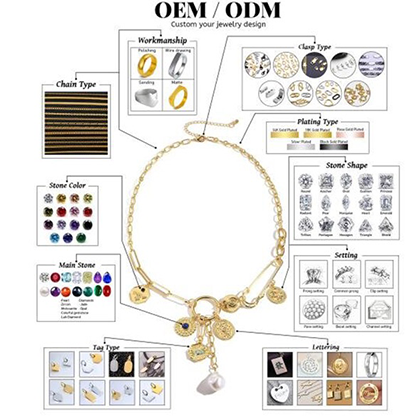
The clasp holds everything together on a necklace, so picking the right one matters a lot when it comes to how long it lasts, staying safe, and building customer confidence. Barrel clasps look great on light chains and simple designs because they blend in so well. Lobster clasps are much better at keeping things secure though, especially important for necklaces with heavy pendants or ones people might wear during physical activities. What material we use makes a real difference too. Stainless steel doesn't rust or tarnish easily even after regular wear, but brass tends to break down quicker if exposed to moisture or saltwater. A recent study from the Jewelry Technical Institute found that about half of all broken necklaces happen at the clasp point, usually because the parts don't fit properly or are just too small. When working with expensive jewelry or family heirlooms, it's wise to add extra protection like spring rings or magnets behind the main clasp. This gives an extra layer of security against accidents without making the piece look cluttered or unattractive.
| Component | Critical Factor | Performance Impact |
|---|---|---|
| Jump Rings | Gauge thickness | Rings under 2mm gauge fail under 15 lbs tension (Material Science Review) |
| Crimps | Tool precision | Properly compressed crimps withstand 200% more stress than poorly seated ones |
Jump rings need to be cut flat and closed properly so they don't catch anything. Soldering becomes really important when strength matters most because regular jump rings tend to come apart under about 40% less force. With crimp beads, getting the right tool and sleeve combination makes all the difference for even pressure application without damaging the wires inside. Most industry specs call for doing two crimps on those pendant support chains actually. The first one holds the beads in place while the second crimp locks down the clasp itself. Get this right and what used to be weak points become solid parts of the design. Every finished connection goes through a standard 5kg tug test before it leaves the workshop too. That's just part of making sure nothing falls apart later on.
Choosing the right stringing material makes all the difference when it comes to how sturdy a piece will be and what it looks like overall. Beading wire consists of multiple strands of stainless steel wrapped in nylon, and gets stronger as the number of strands increases from around 7 up to nearly 50 strands. This type works best for heavier stones or intricate designs where there's real weight involved. Nylon cords are great because they stretch and bend easily, perfect for those fancy knotted spacer setups many jewelers love these days. Just remember to seal the ends properly so nothing starts coming apart over time. For pearl necklaces, most professionals still swear by silk thread. It drapes beautifully and gives that classic look people expect, but there's one catch nobody likes talking about: every single bead needs to be individually knotted to stop everything from flying off if the thread ever snaps somewhere along the line. According to industry data released last year, using stringing materials that aren't thick enough can actually cause failures at an alarming rate of 63% during normal wear and tear situations. So when picking out materials, always match them against the actual weight of the beads and pendants being used to keep things balanced throughout the whole piece.
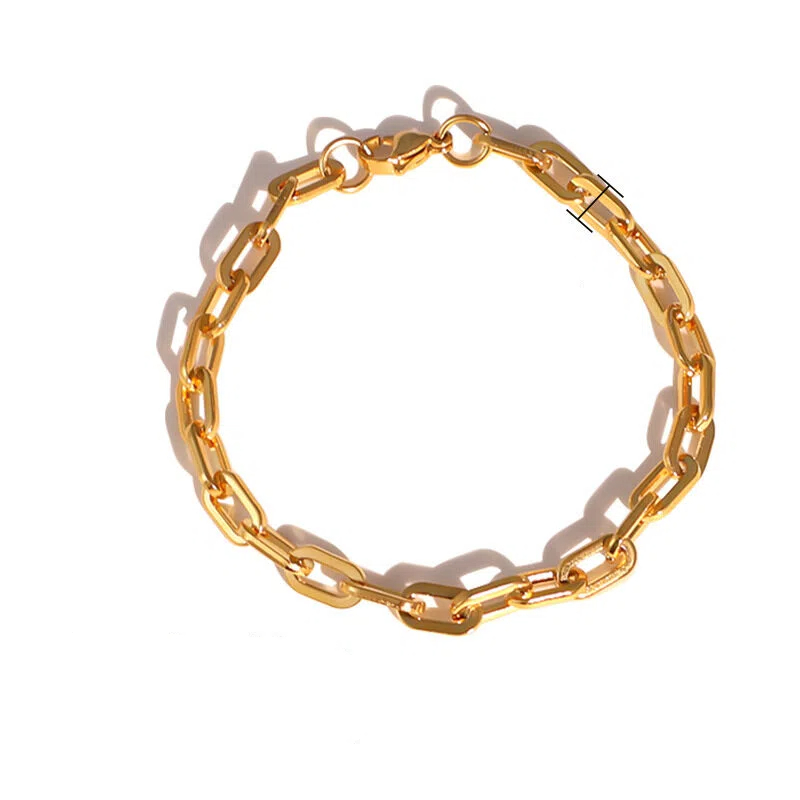
Chains serve dual roles: load-bearing infrastructure and intentional design language.
| Chain Type | Best For | Strength Rating | Aesthetic Role |
|---|---|---|---|
| Cable | Light pendants | Moderate | Delicate, everyday wear |
| Box | Medium pendants | High | Modern, geometric lines |
| Rope | Heavy pendants | Very High | Luxurious, statement |
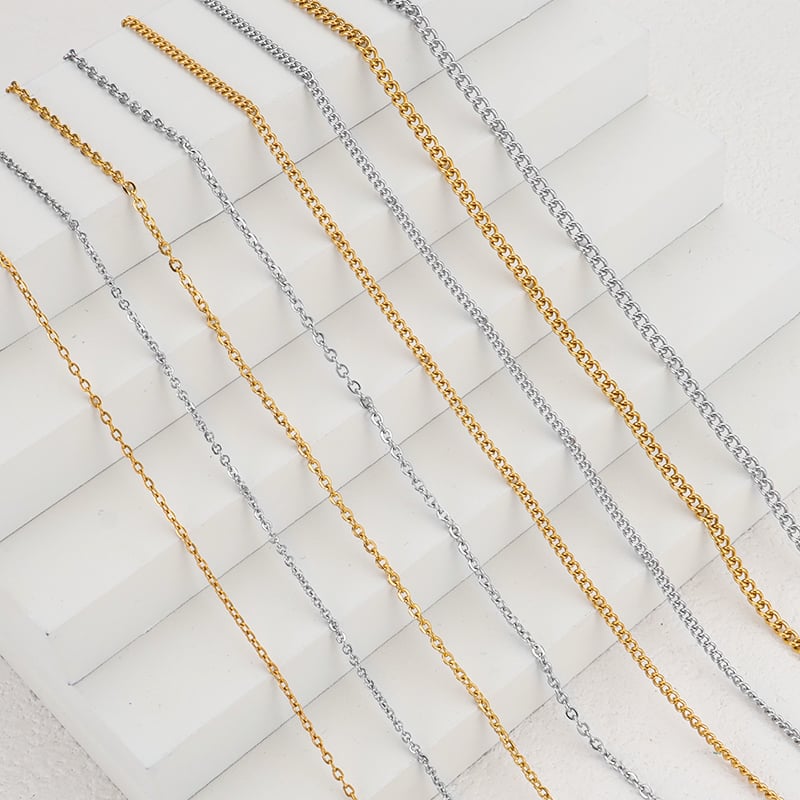
Cable chains are great because they bend easily and move around comfortably, though they do tend to twist or get stretched out when carrying something too heavy. Box chains work differently since their square links fit together tightly, making them stronger against snags and tangles. These are perfect for people who want something sleek and modern looking in their jewelry collection. Rope chains have this interesting texture made by weaving metal strands together. They can hold heavier pendants without breaking while still looking good. When shopping for necklaces, always check if the metals match up properly. For instance, use sterling silver chains with silver connectors to prevent those annoying reactions between different metals over time. Also worth remembering is how big versus small things look together. Putting a huge pendant on a thin chain might look cool at first glance, but it actually puts extra strain on the chain which leads to faster wear and makes the whole piece seem less valuable in the long run.
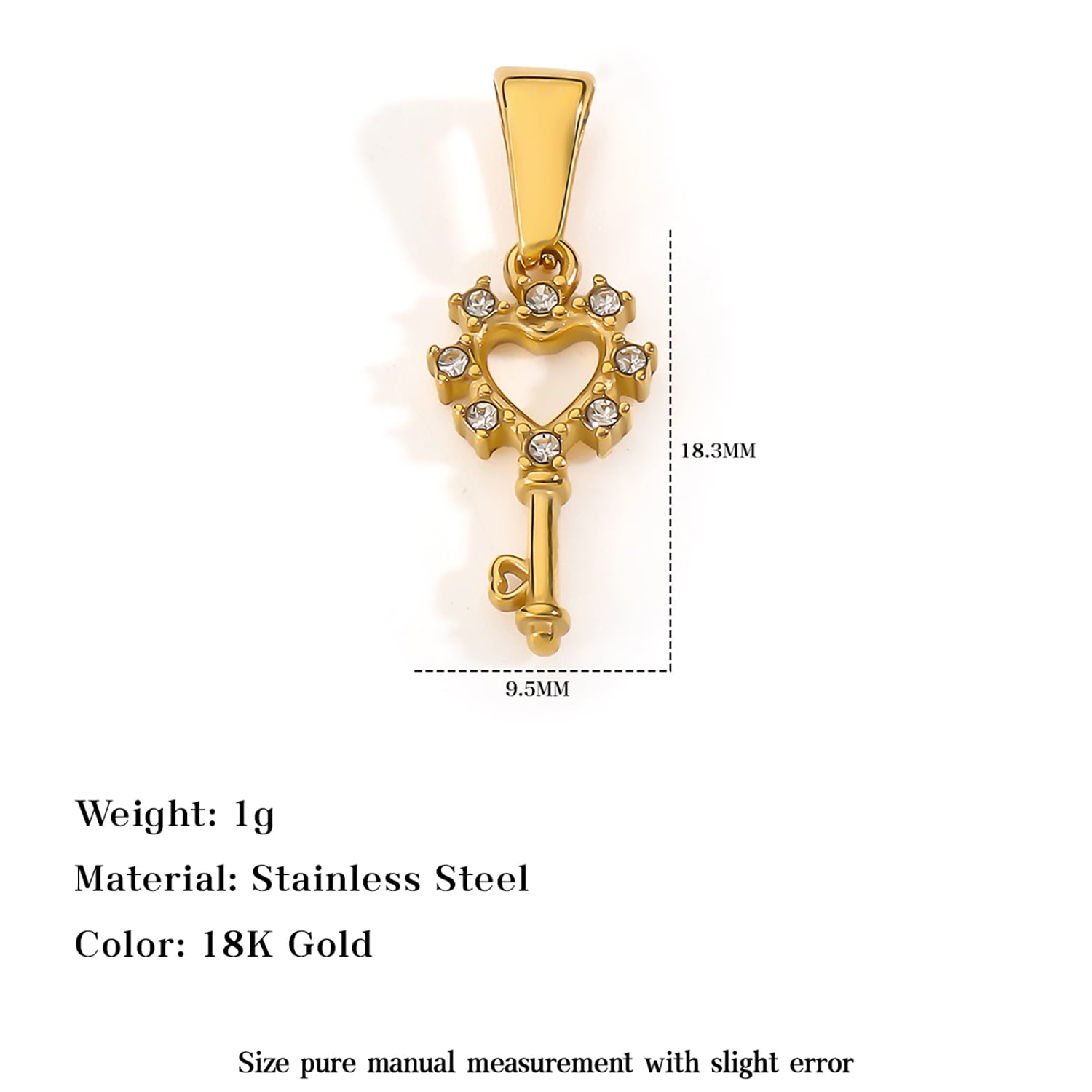
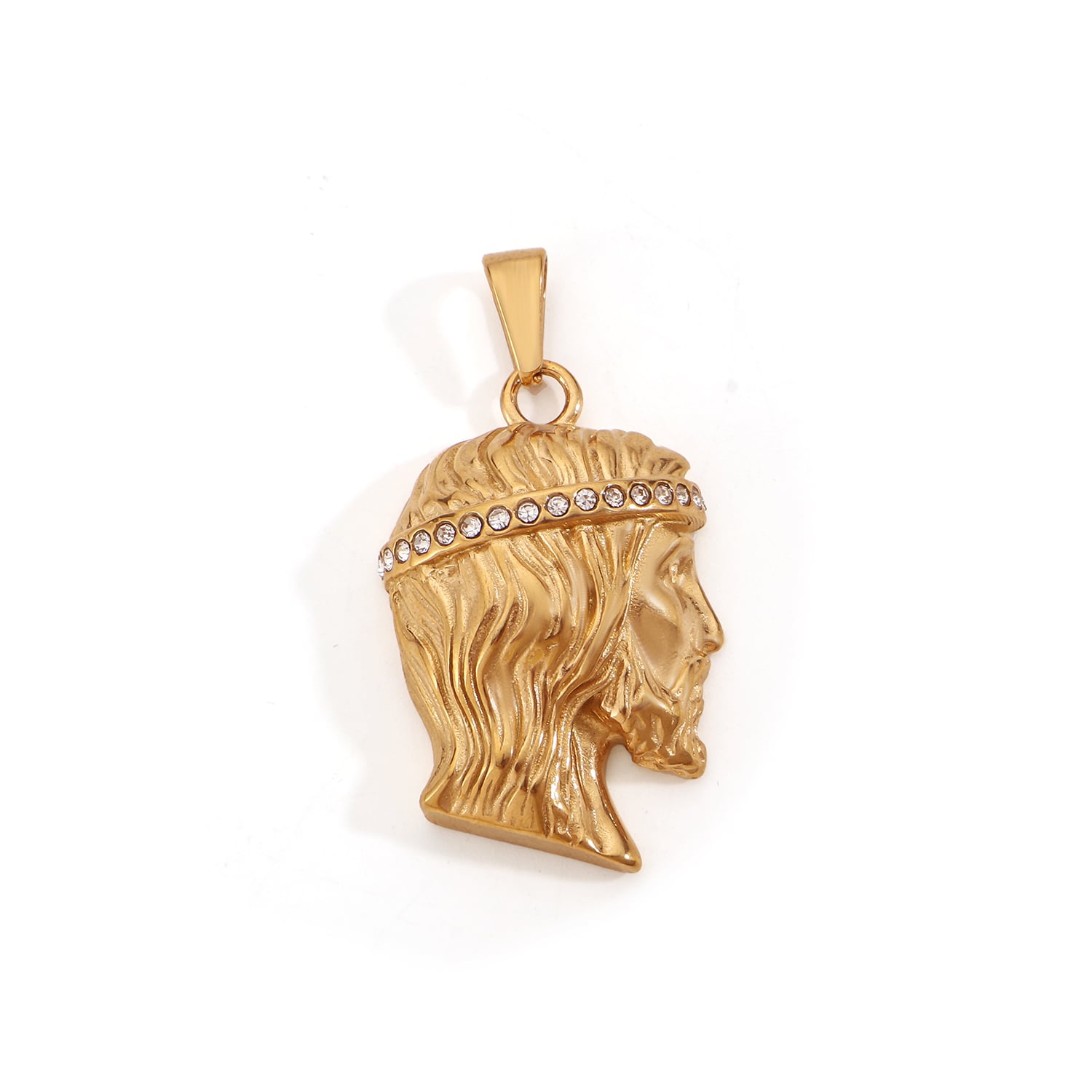
Choosing the right bail connects beauty with function, affecting how jewelry looks and lasts over time. When metals don't match up, problems happen fast. Silver bails work best with silver pendants, gold filled ones go well with gold colored stones, and brass tends to be good for those warm toned costume items since they age together nicely without breaking down. Weight matters a lot too. Those little glue on bails are fine for small charms around 1-2 grams, but anything heavier than about 5 grams needs something stronger like soldered or prong set bails that can handle the extra weight. How it's set makes a big difference in how long it will last. Epoxy works great for odd shaped things but might come loose after some time. Soldered bails stay put forever, which is why most serious jewelers use them for pieces people actually wear regularly or valuable stuff. Don't forget to check if the bail hole fits the chain properly without rubbing against it. Friction there wears things down much faster than expected. Getting the size right between the pendant and bail also helps prevent wobbling and possible breakage from constant movement.
Getting reliable materials starts with looking beyond price tags when evaluating suppliers. The real test is whether they can consistently deliver the same quality from one batch to another. We need to check if their alloys match specifications, if cords hold up under stress, and if plating stays intact over time because these small inconsistencies really matter when products get worn day after day. Our approach has three main steps. First, we look for ethical certifications such as RJC compliance. Second, we actually see how they test samples, checking things like how resistant clasps are to tarnishing and how strong crimps stay after repeated use. Third, we want proof that quality doesn't drop off when production scales up. When talking numbers, we ask for smaller minimum orders so we can prototype without getting stuck with mountains of inventory. And transparency? Absolutely essential. We demand complete visibility into where gems come from and what kind of recycled content metals contain. According to Craft Materials Council stats from last year, companies switching to recycled sterling silver saw about 23% fewer issues with materials compared to those using new metal. Last but not least, we work hand in hand with our suppliers to set clear standards together. Want to know what's acceptable for jump ring sizes? How thin can crimp walls be before they fail? What level of tension should clasps have? These details might seem nitpicky, but they make all the difference in maintaining quality throughout the entire supply chain.
Lobster clasps and barrel clasps are among the most commonly used due to their durability and aesthetic appeal.
The thickness and closure of jump rings significantly affect their ability to withstand tension. Soldered jump rings offer enhanced strength.
Beading wire is preferable for heavy beads due to its increased strand count and strength.
Matching metals (like using silver bails with silver pendants) prevents problems like tarnishing and wear.
Look for suppliers that offer consistent quality, ethical certifications, and transparency in sourcing materials.

 EN
EN
 Hot News