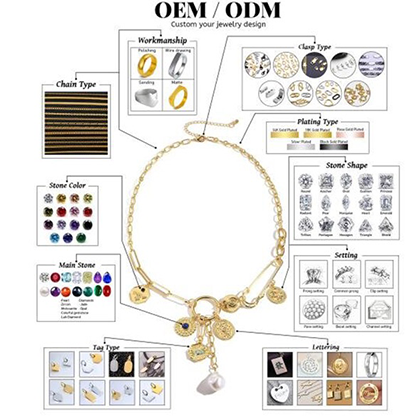
Customer retention has become absolutely critical in today's fast paced world of boutique jewelry wholesale. Getting new customers costs a lot in marketing dollars, but keeping the ones we already have pays off much better. Industry studies show that existing relationships can generate returns anywhere from five to seven times what new client acquisition does. When boutiques stick with us, they tend to place bigger orders, recommend our products to others, and give real world feedback about what works and what doesn't. This creates steady income even when markets get shaky. We've noticed these loyal partners spend around 30 to 35 percent more per order compared to newcomers, which really helps improve our profit margins. Fashion changes so quickly these days that staying connected means our collections stay relevant to what retailers actually need on their shelves. What starts as simple transactions often turns into genuine partnerships where both sides grow together over time.
Generic recommendations no longer retain boutique buyers. True personalization leverages behavioral data—not just demographics—to deliver curated relevance and deepen strategic alignment.
Effective personalization draws from purchase frequency, average order value, and stylistic preferences—such as metal type, stone selection, or aesthetic leanings (e.g., minimalist, vintage, boho). A boutique known for artisanal silver pieces gains more value from complementary hammered-texture earrings than from unsolicited platinum promotions.
Looking past simple sales numbers means paying attention to what customers actually look at again and again, how they interact with posts on social media platforms, and those shopping carts left sitting empty. All this information helps build better understanding of customer preferences over time. Boutiques that get product selections matching what their regulars want tend to see much better results. The latest Jewelry Trend Report shows these stores experience around 30% higher reorder rates compared to those relying on generic recommendations from algorithms. Better insights mean store owners spend less mental energy deciding what to stock next month. Plus, customers start seeing the brand as someone who really gets their fashion sense rather than just another place selling jewelry.
Trust is the foundation of long-term wholesale relationships—and authenticity is its currency. Today's boutique buyers actively vet partners for ethical alignment: 73% prioritize brands with verified sustainability practices (Conscious Commerce Report 2024). When values are transparent and verifiable, they become powerful retention levers.
The story behind materials really counts these days. When customers want to know where their jewelry comes from, they expect transparency about things like recycled silver content, Fair Trade certified gold, or stones that were obtained without exploiting workers. According to the Retail Ethics Survey from last year, around two thirds of shoppers actually check out entire supply chains before making a purchase decision. To show off the real work that goes into each piece, brands should consider using quick video clips or photo series that capture details like hand finishing techniques, metal casting processes, or intricate stone setting work. These visual stories serve as concrete evidence justifying higher price points while also creating deeper connections between consumers and what they buy.
| Trust Driver | Consumer Expectation | Business Impact |
|---|---|---|
| Sourcing Transparency | Full traceability of materials | 46% higher repeat orders |
| Craftsmanship Proof | Videos/documentation of making | 31% price premium acceptance |
| Sustainability Claims | Third-party certifications | 4.7x social sharing increase |
Sustainability must be operational—not ornamental. Carbon-neutral shipping, plastic-free packaging, and audited labor standards resonate because 81% of boutique buyers abandon brands that rely on vague “eco-friendly” language (Retail Ethics Survey 2023). These concrete actions don't just check a box—they convert wholesale clients into vocal brand advocates.
Boutique retailers just aren't buying into point-based loyalty programs much these days. Their main concerns are standing out from the crowd, curating what they sell, and staying in business for the long haul. What really works? Experiential rewards focused on giving customers special access, valuable insights, and genuine care. These create emotional connections that keep people coming back roughly 1.5 times more effectively than discounts alone, according to research from the CMO Council last year. For those in the trendy world of boutique jewelry wholesale, this makes perfect sense. Craftsmanship matters most here, along with offering pieces no one else has. Retailers who focus on creating experiences instead of just transactions tend to thrive while others struggle to keep their heads above water.
A thoughtfully tiered loyalty structure delivers non-transactional value that strengthens partnership depth:
These layered benefits drive 30% higher reorder rates by positioning your wholesale accounts as privileged collaborators—not just buyers. Jewelers embracing experiential frameworks report stronger alignment on vision, faster adoption of new lines, and measurable increases in cross-category selling.
| Traditional Loyalty | Experience-Driven Impact |
|---|---|
| Points per purchase | Emotional brand connection |
| Generic discounts | Customized business support |
| Short-term incentives | Long-term relationship equity |
Data confirms the outcome: loyalty programs rooted in emotional resonance increase customer lifetime value by 47% compared to conventional systems (Retail Innovation Report 2025).
Customer retention is vital because it provides more reliable returns and stability, allowing businesses to grow through existing connections and higher order values rather than solely focusing on new customer acquisition.
Effective personalization, which uses behavioral data to recommend suitable products, enhances customer loyalty and order frequency by aligning offerings with customer preferences.
Transparency builds trust as customers increasingly demand to know the origins and ethical implications of products they purchase, directly impacting brand loyalty and retention.
Experiential rewards focus on providing unique experiences, such as exclusive access and personalized service, thus creating emotional ties that exceed the short-term benefits of traditional point-based programs.


 EN
EN
 Hot News