When buyers evaluate a stainless steel chain, they often face a central tension: does this product deliver on visual appeal, structural toughness, or both? Whether you are sourcing a stainless steel chain for fashion accessories, marine hardware, or industrial rigging, understanding how style and durability interact within each design is essential. A stainless steel chain is not a single product but a broad category with significant variation in finish, gauge, weave pattern, and alloy grade, each of which affects both how the chain looks and how long it lasts.
The decision to prioritize style over durability, or to seek a stainless steel chain that achieves both, depends heavily on end-use requirements. A stainless steel chain used as a decorative necklace demands a different specification than one supporting load-bearing applications. Yet even in decorative contexts, durability matters because a stainless steel chain must resist tarnish, corrosion, and surface wear to retain its polished appearance over time. This article examines the core factors that determine how well a stainless steel chain performs across both dimensions, helping procurement professionals and product designers make well-grounded sourcing choices.
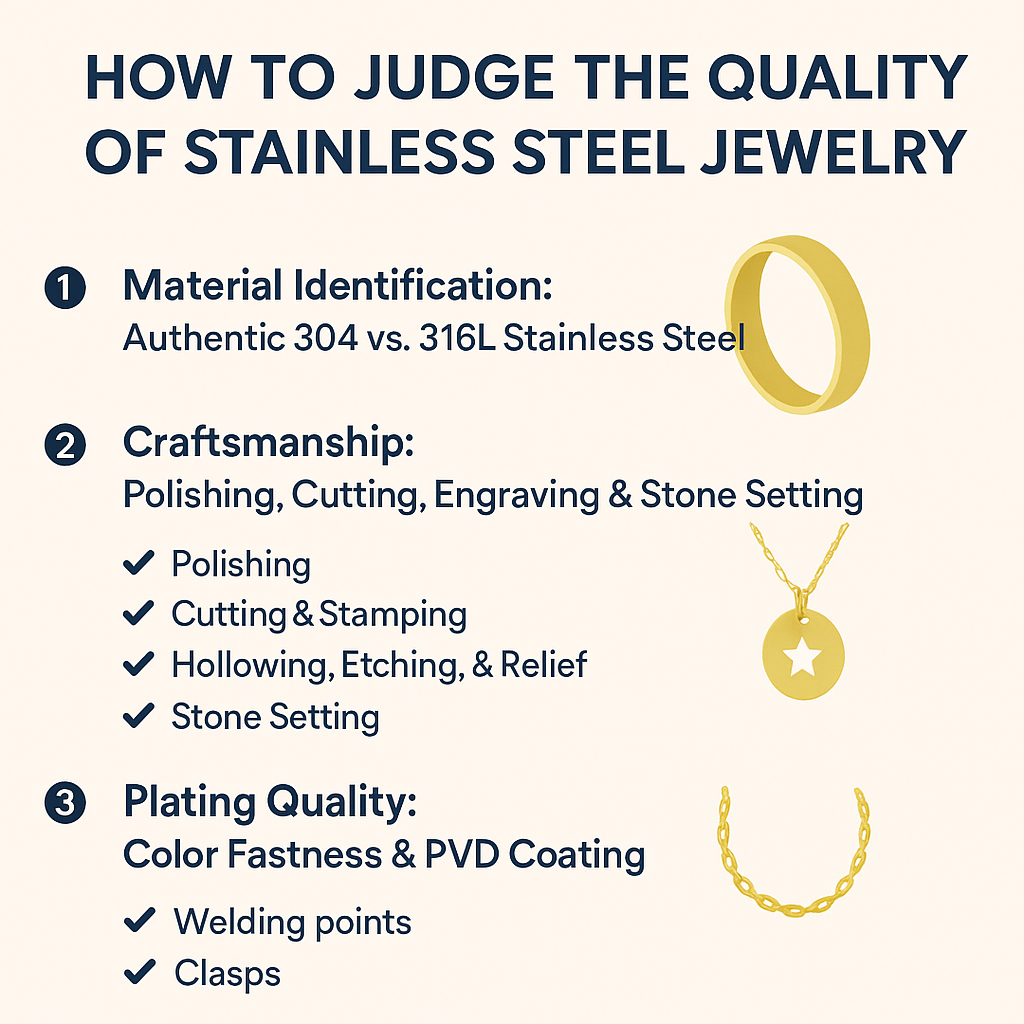
The alloy grade of a stainless steel chain is the single most important variable affecting both its visual quality and its mechanical performance. Grade 304 stainless steel chain is widely used in fashion jewelry and light decorative hardware because it polishes to a bright, mirror-like finish and resists oxidation well under normal indoor conditions. Grade 316 stainless steel chain, which contains molybdenum, offers superior corrosion resistance and is preferred in marine, coastal, or chemically exposed environments. Choosing the correct alloy ensures that the stainless steel chain maintains its surface integrity under its intended conditions.
From a style perspective, the alloy directly influences how well a stainless steel chain accepts surface treatment. A higher-purity alloy produces a smoother, more reflective surface after polishing, which is critical for consumer jewelry and branded merchandise. From a durability perspective, the alloy determines yield strength, fatigue resistance, and corrosion tolerance. Procurement teams should specify alloy grade upfront rather than selecting a stainless steel chain purely on appearance, since two visually similar chains can differ significantly in long-term performance depending on the alloy used.
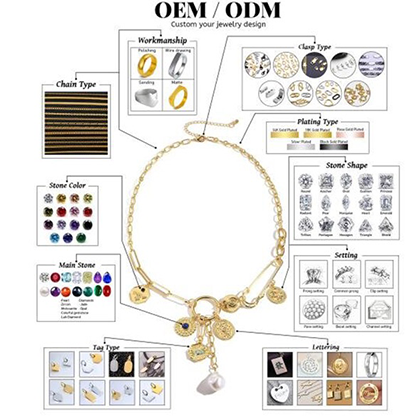
Surface finish is a key variable in evaluating any stainless steel chain for style-critical applications. Common finishes include mirror polish, brushed satin, matte, and PVD coating, each offering a distinct aesthetic while affecting surface hardness to varying degrees. A mirror-polished stainless steel chain projects a premium, high-gloss look but may show micro-scratches more easily over time. A brushed stainless steel chain has a subtler, directional texture that hides light surface abrasion better, making it a strong choice when durability in active wear conditions is a priority.
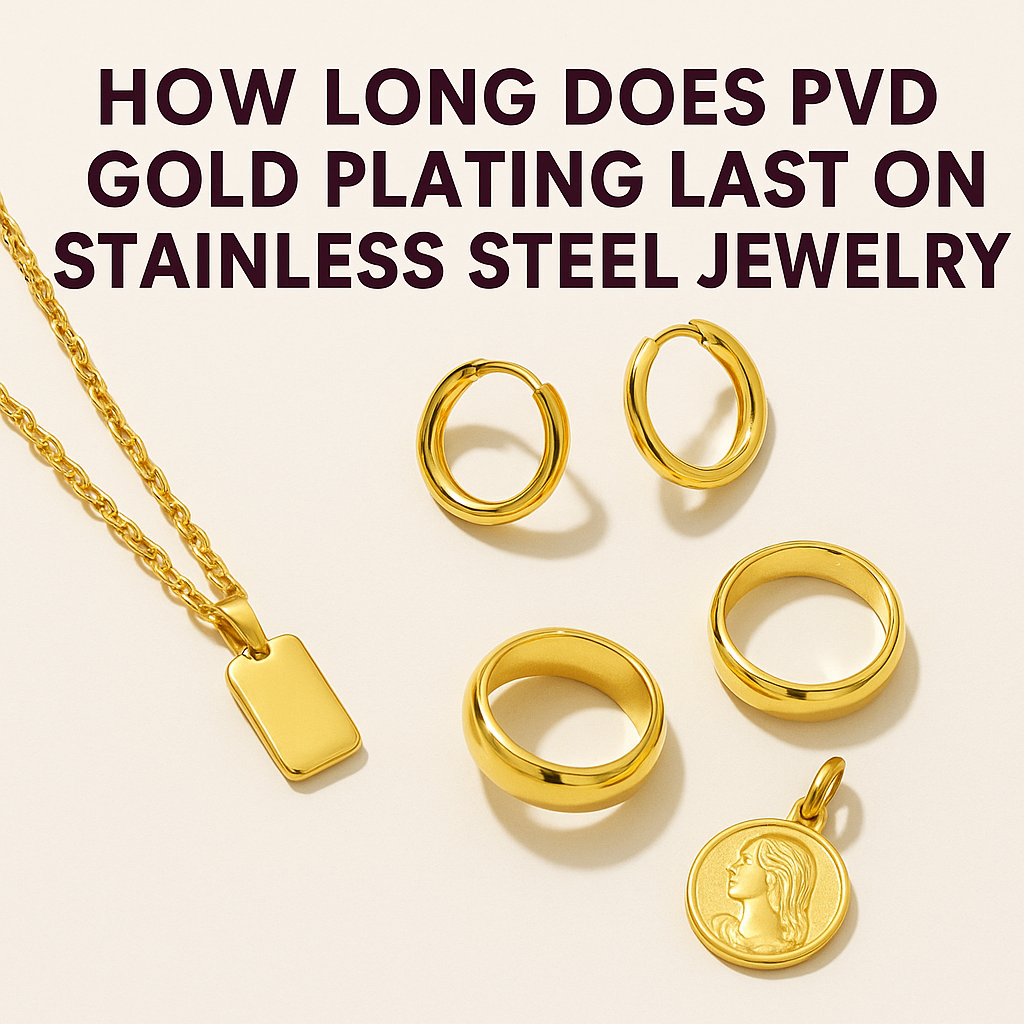
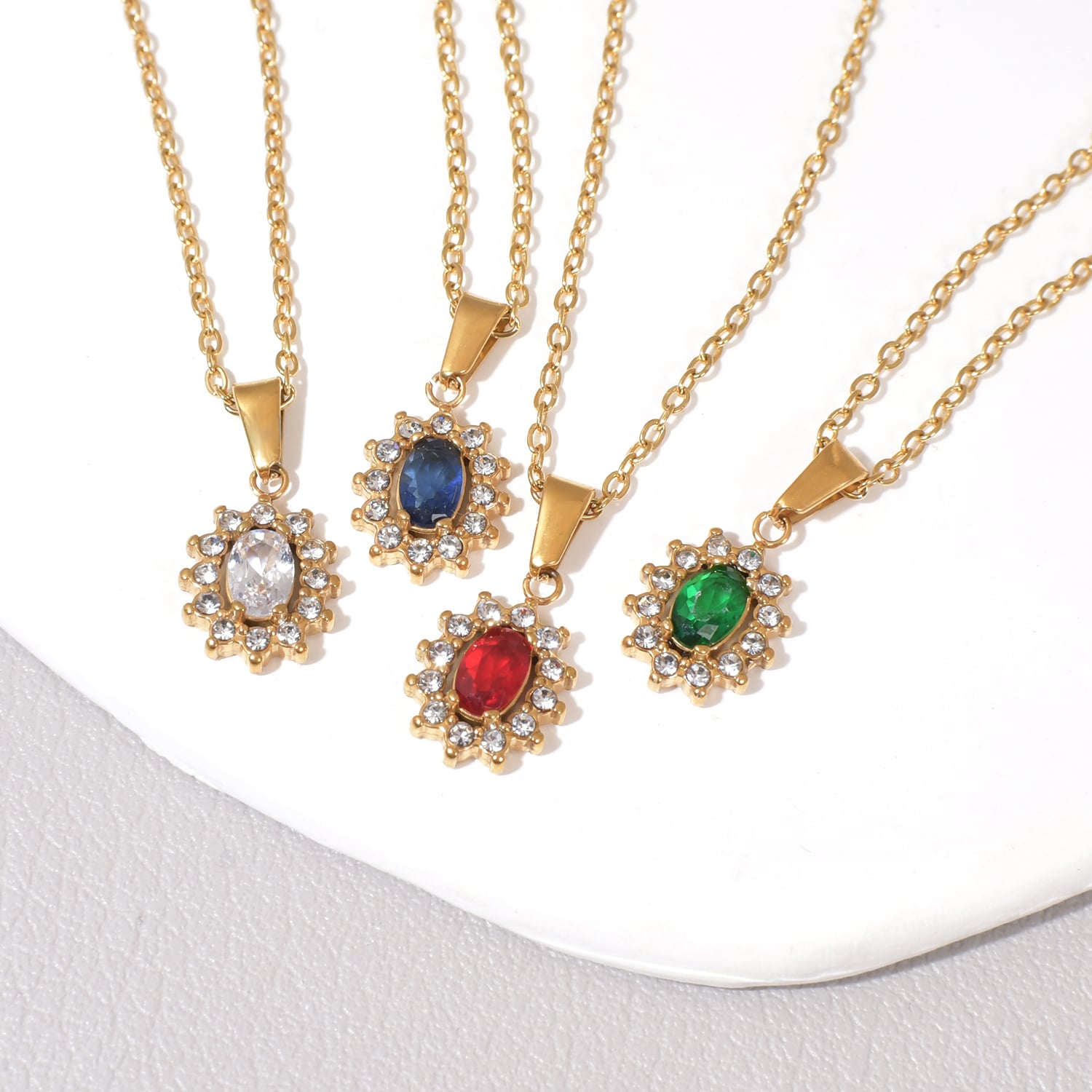
PVD-coated stainless steel chain introduces color options such as gold, black, or rose gold while adding a hard ceramic layer that extends surface life. However, any coating eventually wears at stress points, so understanding the coating thickness and adhesion quality is important for accurate durability assessment. When evaluating a stainless steel chain for style and longevity together, buyers should request finish specifications, coating thickness data, and salt-spray test results to compare options systematically.
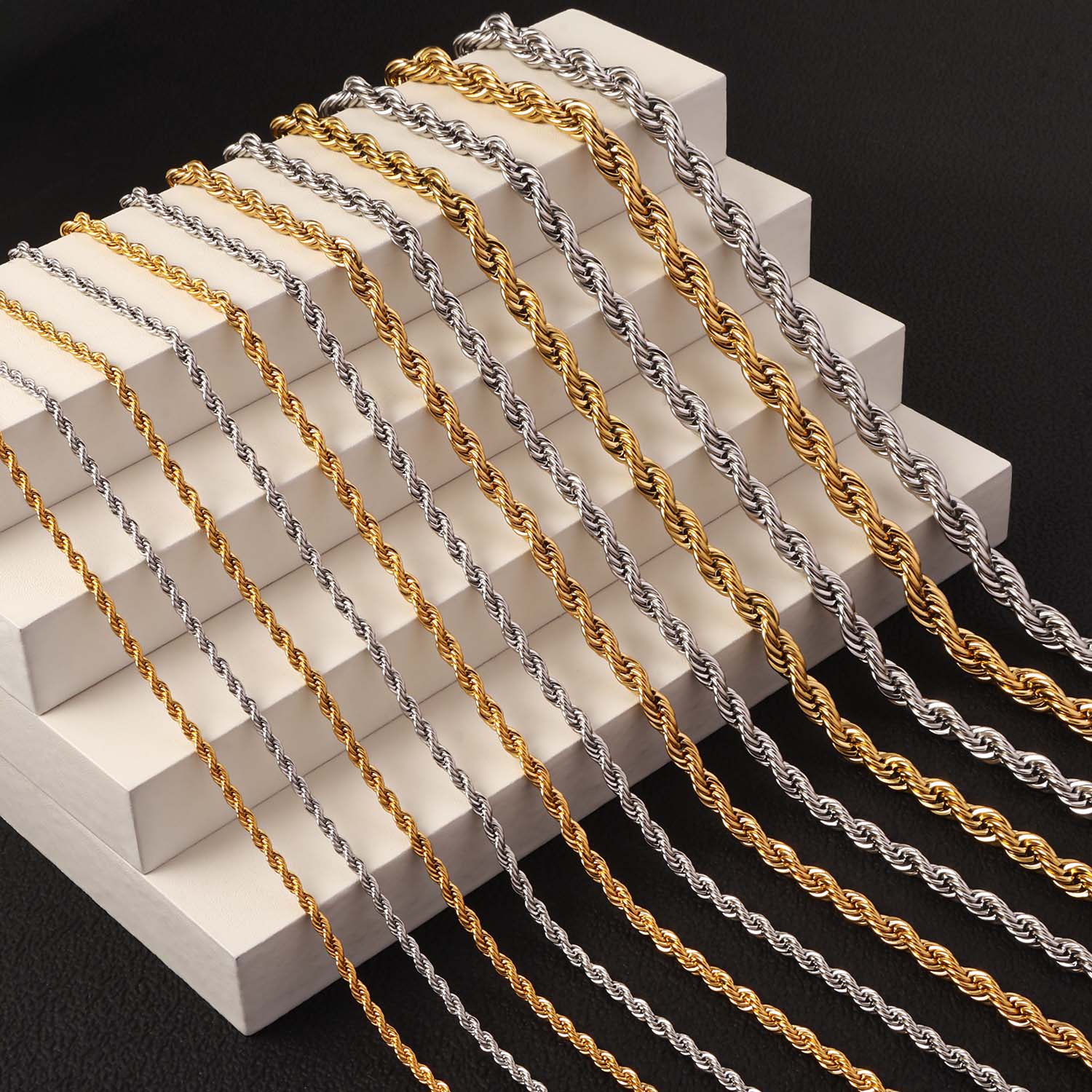
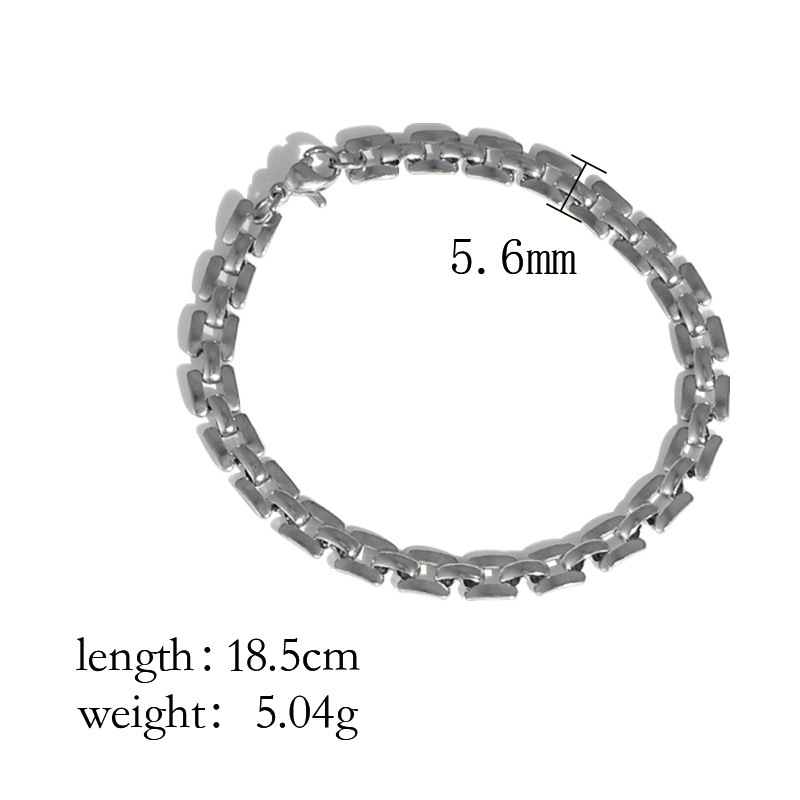
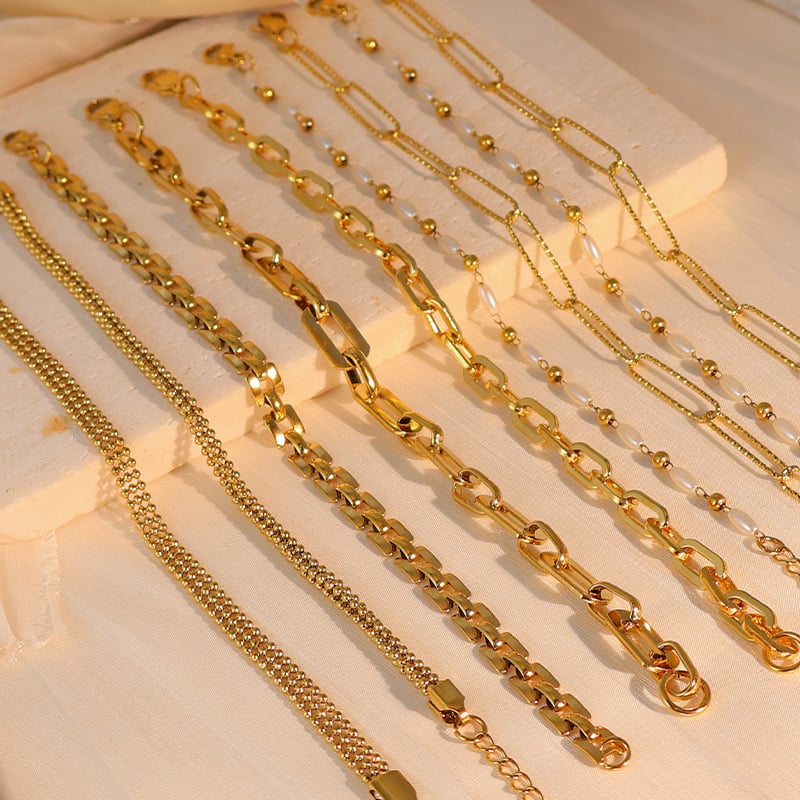
Chain design patterns directly influence both the visual character and the mechanical behavior of a stainless steel chain. The classic rope chain pattern, for example, consists of interlocking spiral links that create a distinctive twisted appearance while distributing tension across multiple contact points. This construction gives a rope-style stainless steel chain both a refined visual texture and reasonable tensile strength for its wire diameter. Finer gauges in a stainless steel chain, such as 2 mm, offer a delicate aesthetic suited to lightweight jewelry, while heavier gauges such as 6 mm provide a bolder look and increased load capacity.
Other popular patterns such as box chain, curb chain, and figaro chain each have different link shapes, stress distribution profiles, and visual weights. A box stainless steel chain offers clean geometric lines and good lateral flexibility, making it suitable for pendants. A curb stainless steel chain lies flat and has a substantial visual presence, which suits statement jewelry or branded accessories. Understanding how each design pattern affects both the look and the mechanical resilience of a stainless steel chain allows buyers to match the right style to each specific product requirement.
Wire gauge is a critical specification when sourcing a stainless steel chain because it determines the proportion between visual delicacy and structural toughness. A thin-gauge stainless steel chain reads as elegant and minimalist but has lower tensile strength and is more susceptible to kinking under stress. A heavier-gauge stainless steel chain reads as bold and industrial but adds weight and cost. For most fashion and accessories applications, a stainless steel chain in the 2 mm to 4 mm range offers a practical balance between refined appearance and everyday wear resistance.
Durability in a stainless steel chain is not merely a product attribute but a direct business consideration. A stainless steel chain that degrades quickly generates returns, warranty costs, and brand damage. Specifying a stainless steel chain with proven corrosion resistance, fatigue strength, and surface stability reduces total cost of ownership across the product lifecycle. For B2B buyers supplying retail channels, the performance reliability of a stainless steel chain directly affects customer satisfaction metrics and repeat purchase rates.
Requesting factory test reports, including tensile load data and salt-spray results, is a standard practice when evaluating a stainless steel chain for commercial supply agreements. These documents allow buyers to objectively compare durability performance across suppliers rather than relying solely on visual inspection or price signals. A stainless steel chain that passes rigorous testing provides a stronger sourcing foundation than one selected based on aesthetic appeal alone.
The most effective approach when evaluating a stainless steel chain is to define style requirements and durability standards simultaneously rather than sequentially. Start by documenting the intended use environment, aesthetic direction, and minimum performance thresholds for the stainless steel chain. Then use those parameters to filter available options by alloy grade, finish type, chain pattern, and wire gauge. This method ensures that the final stainless steel chain specification reflects both commercial design intent and practical performance requirements without unnecessary compromise on either dimension.
A stainless steel chain resists corrosion primarily because of its chromium content, which forms a passive oxide layer on the surface. Higher-grade alloys such as 316 stainless steel chain include molybdenum, which further improves resistance to chloride and salt exposure, making such a stainless steel chain suitable for marine or outdoor environments.
Choosing between gauge sizes depends on the intended use. A 2 mm stainless steel chain suits lightweight, delicate jewelry with a minimalist aesthetic, while a 6 mm stainless steel chain provides greater visual impact and higher tensile load capacity. Consider the end product design, the wearer profile, and the mechanical demands before selecting a stainless steel chain gauge.
A PVD-coated stainless steel chain adds surface hardness and color variety but is not inherently more durable than an uncoated stainless steel chain in all conditions. The underlying stainless steel chain substrate remains the primary source of structural strength. Coating durability depends on layer thickness and adhesion quality, and high-stress contact points on any stainless steel chain may show coating wear over extended use.

 EN
EN
 Hot News