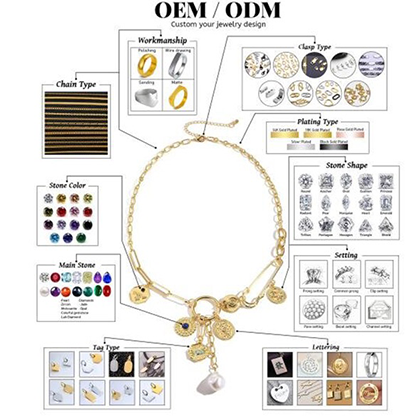
Unlike mass-produced jewelry, each custom gold plated necklace transforms personal narratives into wearable art. This uniqueness stems from three key dimensions:
These pieces capture individual stories through engravings, birthstones, or symbolic charms. Research shows personalized jewelry holds 68% higher sentimental value (Journal of Consumer Research 2023), becoming cherished heirlooms rather than generic accessories.
Buyers collaborate directly with artisans on chain styles, pendant shapes, and gold thickness—typically 2–3 microns for balanced durability and affordability. This co-creation process ensures no two necklaces are identical, distinguishing them sharply from assembly-line production.
While gold plating delivers accessible luxury, the true worth lies in craftsmanship and meaning. A 2022 Goldsmithing Federation report found that 84% of custom jewelry owners wear their pieces daily—more than double the 37% rate for standard items—demonstrating exceptional emotional resonance and functional integration into everyday life.
The convergence of emotional depth, artistic collaboration, and bespoke durability creates irreplaceable artifacts celebrating life’s milestones through tangible beauty.
The foundation of a durable custom gold plated necklace begins with base metal selection. Common choices include brass, copper, or surgical-grade stainless steel—each selected for corrosion resistance, structural integrity, and compatibility with gold adhesion. Brass offers exceptional malleability for intricate designs; stainless steel provides superior tarnish resistance for daily wear.
A critical quality factor is plating thickness, measured in microns (µm). Industry standards differentiate plating types:
| Plating Type | Minimum Thickness | Durability Expectancy |
|---|---|---|
| Flash Plating | <0.5µm | 6–12 months |
| Light Plating | 0.5–1.0µm | 1–2 years |
| Heavy-Duty Plating | 2.5–5.0µm | 3+ years |
For heirloom-quality pieces, experts recommend a minimum 2.5µm gold layer paired with a nickel undercoat—a barrier that prevents base metal migration and subsequent tarnishing. Leading manufacturers exceed these benchmarks, applying up to 5µm gold via multi-stage electrodeposition.
Custom gold plating relies on precision electrodeposition. After ultrasonic cleaning removes surface contaminants, the cleaned piece is immersed in an electrolyte solution containing dissolved gold ions. Applying a controlled electrical current causes gold to bond molecularly to the base metal at rates of 0.1–1µm per minute.
Critical quality control steps include:
Post-plating, triple-rinsing eliminates residual electrolytes, and optional protective lacquer coatings enhance resistance to environmental wear. This rigorous, science-informed process ensures your custom gold plated necklace maintains its luster through years of thoughtful use.
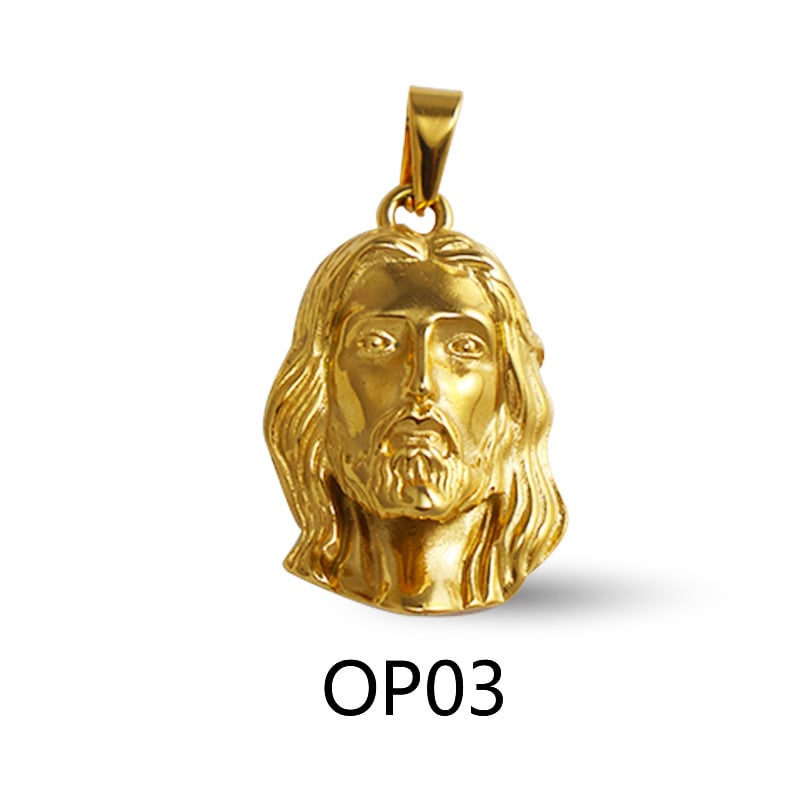
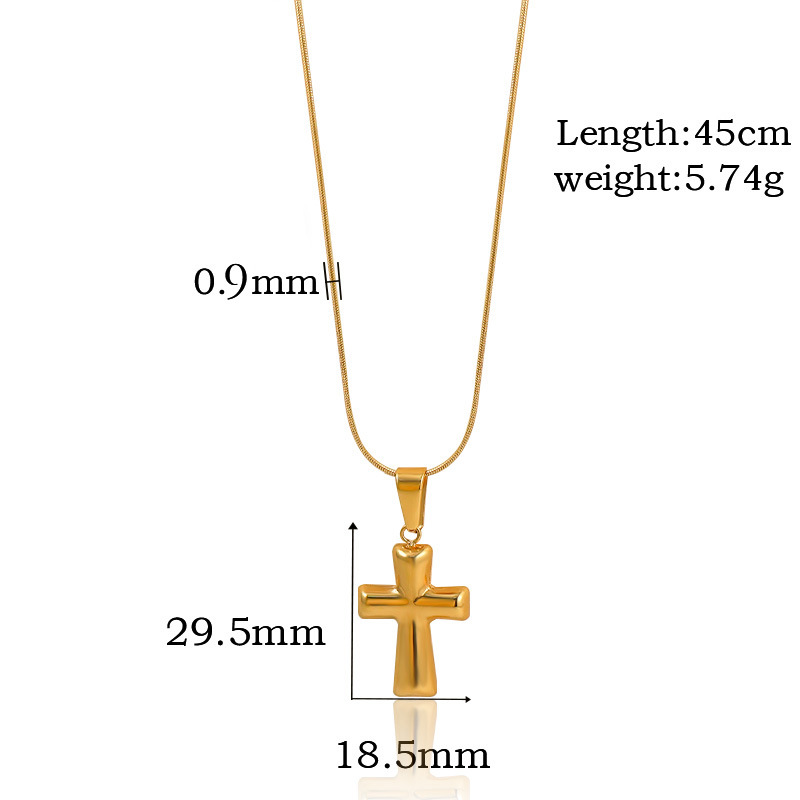
Personalization transforms standard jewelry into meaningful heirlooms. Engraving options range from initials and names to significant dates or short phrases—with script fonts lending elegance and block fonts offering modern clarity. Pendant customization includes size (delicate miniatures for subtlety or statement-sized pieces up to 25mm), plus embellishments like birthstones or pavé-set crystals.
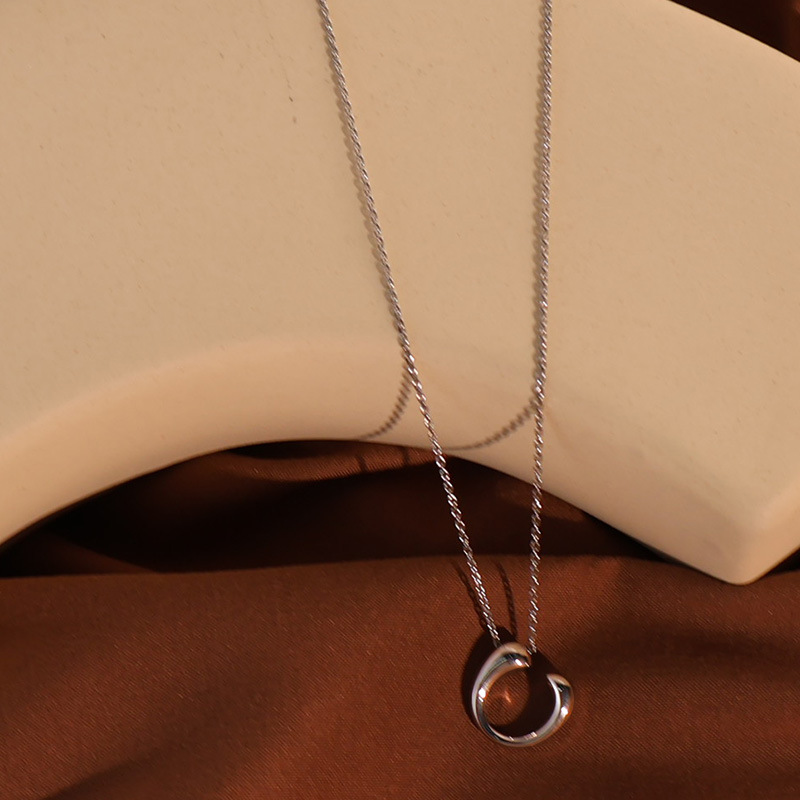
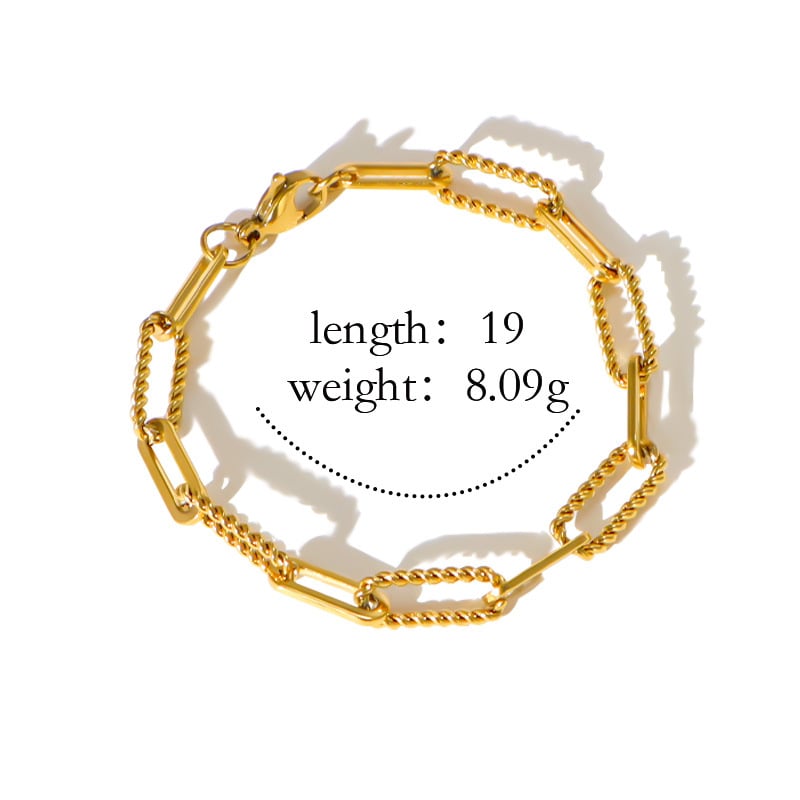
Chain style influences both aesthetics and wearability:
Standard lengths (16–18 inches) suit most necklines, but custom measurements ensure ideal proportion and comfort. For longevity, pieces with ≥2.5 micron plating retain luster significantly longer—verified by the Jewelry Standards Institute (2023).
Achieving harmony between beauty and practicality requires intentional design choices. Heavier pendants demand thicker chains (≥1.5mm) to prevent stretching or breakage; intricate elements benefit from reinforced solder joints. Key durability considerations include:
| Consideration | Aesthetic Impact | Practical Solution |
|---|---|---|
| Plating Thickness | Higher shine and reflectivity | ≥2.5 microns for optimal scratch resistance |
| Pendant Size | Visual prominence and balance | ≤25mm for all-day comfort and reduced friction |
| Chain Weight | Luxurious feel and drape | Hollow-link construction reduces neck strain without sacrificing strength |
Environmental exposure accounts for 78% of premature plating wear (Gemological Institute 2023). To mitigate this, avoid prolonged contact with water, chlorine, salt, or household chemicals—and favor rounded edges over sharp angles, which can extend wearable life by up to three years with consistent care.
To preserve your custom gold plated necklace’s brilliance and structural integrity, adopt proactive, evidence-based maintenance habits. Gold plating offers radiant aesthetics at accessible price points—but its micron-thin layer is vulnerable to moisture, chemicals, and abrasion. Unlike solid gold, it requires mindful handling to prevent premature degradation.
| Care Mistake | Consequence | Prevention |
|---|---|---|
| Sleeping while wearing | Chain kinks, clasp stress, and micro-cracks in plating | Remove before bedtime |
| Pool/ocean exposure | Chlorine and salt rapidly erode gold layers | Remove before all water activities |
| Rubbing with paper tissues or rough cloths | Micro-scratches compromise surface integrity | Use only jewelry-specific polishing cloths |
Regular visual inspections help identify early signs of wear—such as localized fading, dullness, or greenish skin reactions. With proper care, quality plating typically lasts 1–3 years; when wear occurs, professional re-plating restores both appearance and value. By minimizing chemical contact and mechanical stress, your custom necklace retains its emotional resonance and visual appeal across decades.
Custom gold plated necklaces are unique due to their emotional significance, exclusive design process, and bespoke craftsmanship, transforming personal stories into wearable art.
Experts suggest a minimum thickness of 2.5 microns for heirloom-quality durability and long-lasting luster.
Adopt proactive care habits like avoiding chemicals, cleaning with soft materials, and storing in anti-tarnish pouches to maximize longevity.
Yes, professional re-plating restores the necklace’s appearance and value if signs of wear arise.
Common materials include brass, copper, and surgical-grade stainless steel for their malleability, corrosion resistance, and compatibility with gold adhesion.

 EN
EN
 Hot News