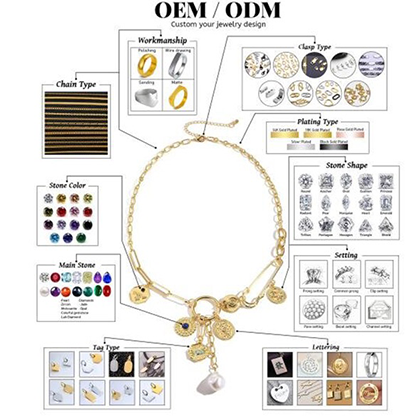
The choice of trustworthy wholesale custom jewelry makers really affects how people see our brand and what we make at the end of the day. When quality stays consistent across batches, it stops those expensive product recalls, keeps us competitive in the marketplace, and most importantly builds that trust with customers. And let's face it, about 89 percent of shoppers these days care a lot about where their stuff comes from according to last year's Jewelry Consumer Report. Working with established manufacturers cuts down on headaches because they source materials ethically and follow all sorts of international standards including things like RJC certification. This means fewer legal problems down the road and a stronger supply chain overall. Plus, good partners can scale up or down depending on how busy things get. No more running out of inventory during holiday rushes or ending up with warehouses full of unsold goods after slow months. The result? More stable pricing, better profit margins, and relationships that grow alongside the business instead of just being another line item on an invoice sheet.
When looking at suppliers, give preference to those with recognized certifications like the Responsible Jewellery Council (RJC) certification. These credentials basically confirm that the company follows ethical practices throughout mining operations, treats workers fairly, and takes care of the environment. According to recent data from GIA in their 2023 report, around three quarters of business to business customers want actual evidence that materials come from conflict free sources. Partners must stick to FTC regulations regarding what information gets shared about materials used. This matters most when dealing with gold and silver, various types of gems, and especially lab created diamonds where transparency is absolutely essential. Regular checks through ethical audits are necessary too.
Aligning minimum order quantity requirements with where your business stands makes all the difference. New companies often need suppliers who will work with small test orders around 50 pieces or so, whereas bigger operations typically want production runs exceeding 500 units at minimum. Quick turnaround times below four weeks can really help when launching products fast these days. Still important to check if the supplier can actually handle increased demand during peak seasons though. What separates good partners from great ones? Look for those who show real adaptability in three main areas:
| Capability | Startup-Friendly | Enterprise-Ready |
|---|---|---|
| Peak Output | 1k units/month | 50k+ units/month |
| Revision Turnaround | 72 hours | 48 hours |
| Rush Order Uplift | 20% capacity | 40% capacity |
Demand contingency planning is essential—pandemic-related disruptions caused 32% of jewelry manufacturers to miss deadlines in 2022 (Jewellery Trends Report). Avoid rigid production systems that can't accommodate mid-cycle design adjustments or material substitutions.
Selecting a wholesale custom jewelry manufacturer aligned with your production goals is vital for differentiation. Suppliers typically specialize in either high-volume standardized output or low-volume artisanal craftsmanship—each serving distinct B2B needs.
The manufacturing partners we work with focus heavily on getting things right at scale through methods like automated casting processes, electroforming techniques, and precision plating applications. What makes them stand out is their ability to maintain product consistency even when producing tens of thousands of identical items. By buying materials in large quantities, these manufacturers can cut down individual unit prices anywhere from about 15% up to around 30% when someone orders over 5,000 units. Most projects take between four to six weeks to complete, which works well for brands needing products ready just before holiday seasons or major sales events. Their gold-filled finishes last much longer than regular coatings too, making them a smart choice for fashion companies wanting to offer stylish accessories without breaking the bank for customers looking for affordable options during peak shopping periods.
Craftsmen who focus on fine jewelry combine computer aided design prototypes with traditional finishing methods such as hand engraving, micro pave settings, and custom gem placement to create pieces that last generations. What really sets these makers apart is their ability to craft detailed designs that speak to people's emotions. According to the Luxury Consumer Report from 2024, around three out of four luxury shoppers actually prefer handcrafted items over factory made goods. The flexibility in minimum order quantities has become a game changer for small brands too. Some companies can now test out complicated ideas like personalized signet rings or special birthstone combinations without having to commit to huge stock levels upfront.
Many top wholesale jewelry makers have started incorporating digital prototyping into their workflows, which speeds up the design process while slashing physical sampling expenses by around 40 to 60 percent according to recent manufacturing benchmarks from 2023. With cloud platforms, designers can collaborate on 3D models in real time and get material approvals without endless back and forth emails, something that makes a huge difference when working on intricate pieces such as custom engraved pendants or elaborate bridal sets where details matter most. The new standard for creating samples typically goes through three main stages first there's a virtual mockup, then a 3D printed prototype gets made, followed finally by actual metal samples. This step by step approach keeps everyone on the same page throughout development. Industry leaders can now wrap up the entire process within just 14 days these days, compared to the old system that took nearly six weeks from start to finish, giving them a serious competitive edge in meeting client deadlines.
For optimal outcomes, request documented sample approval metrics and post-prototype revision rates—prioritizing partners with ¤5% revision needs. This rigor prevents costly errors in bulk production while upholding ethical and quality standards.
Key workflow advantages:

 EN
EN
 Hot News