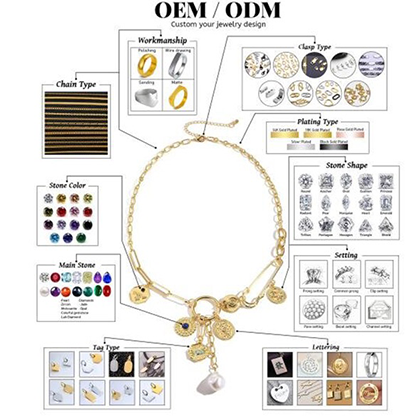
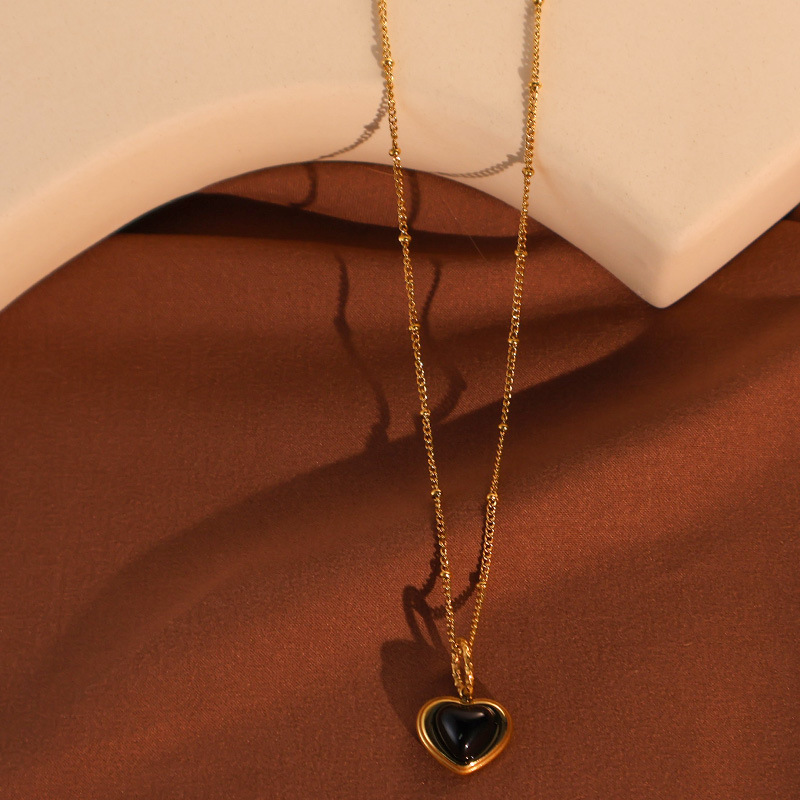
People are starting to go for those versatile, low-key items these days delicate chains, simple stud earrings, and slim bracelets that work just as well at the office as they do out for dinner. The whole trend towards everyday minimalism shows something bigger happening too. Jewelry isn't just about looking good anymore it has become almost like a personal charm. Some folks wear pieces that mark important life events, others choose items that speak to who they are or what matters most to them. Fashion jewelry wholesalers need to keep an eye on this shift. They should look for vendors who can offer things like custom pendants, rings that stack together nicely, and designs that let customers build their own stories through what they wear. According to recent market research, items that combine clean design with emotional meaning tend to sell about 23 percent better than the old fashioned flashy stuff.
According to WGSN's latest findings, there are three main areas wholesalers should focus on right now: going green with materials, designing collections that don't stick to traditional gender lines, and setting up local production facilities closer to where customers live. Looking at their numbers, around two thirds of retailers plan to ask for proof of ethical practices when buying stuff by 2026, so getting ahead of this requirement makes good business sense. When wholesalers follow WGSN's predictions about colors and finishes like those soft earth shades and that popular oxidized silver look, they tend to avoid ending up with unsold stock while keeping pace with what consumers actually want these days. The research team suggests building inventories with roughly 60% basic items people keep coming back for year after year (think delicate necklaces, simple earrings) and leaving space for about 40% of products that tap into current trends and emotional connections (like personalized jewelry with birthstones or meaningful pendants). Companies that adjust their approach along these lines often see inventory expenses drop somewhere between 15-17%, which helps them stay flexible in today's fast changing retail landscape.
For strategic sourcing in 2026, companies need to blend rather than replace digital tools with traditional methods. Online B2B platforms slash travel costs by around 60 percent, give instant views into what stock is available, and connect buyers with pre-screened international vendors. Trade shows still matter though, especially when it comes to big deals at certain times of year, checking product quality with hands-on inspections, and building rapport with artisans who make things by hand. The fashion jewelry wholesale sector is expected to expand at about 7% each year until 2026. Smart businesses combine approaches these days. They handle regular restocking and finding new suppliers through virtual means, while saving physical events for introducing fresh product lines, getting close looks at workmanship details, and locking down bulk orders face to face.
Success hinges on disciplined supplier evaluation across four non-negotiable criteria:
Brands excelling across all four dimensions capture 42% more repeat orders, per Fashion Tech Journal analysis. Notably, 78% of Gen Z wholesale buyers now cite ethical certification as a decisive factor—confirming that integrity is no longer a differentiator but a baseline expectation.
People used to think that making products ethically meant paying way more money for them. Back in the day, companies that cared about fair wages and tracking where their materials came from had to charge customers around 15 to 30 percent extra. But things have changed quite a bit lately. Better organized supply chains and bigger investments in recycling systems have brought those price differences down a lot. Many big wholesale operations can now offer pretty good prices because they work closely with suppliers who meet certain standards, cut down on manufacturing waste, and find ways to reduce overall costs while still paying workers decently and being open about what goes into their products. The whole industry seems to be catching on too. About 40 percent more businesses are following ethical guidelines compared to just three years ago, mostly because consumers want clothes that last longer, can be fixed when broken, and come from responsible sources instead of just being thrown away after one season. As a result, even regular priced clothing lines are starting to include stuff made from recycled materials and carry those official certification marks without making the items too expensive or cutting into profits too much.
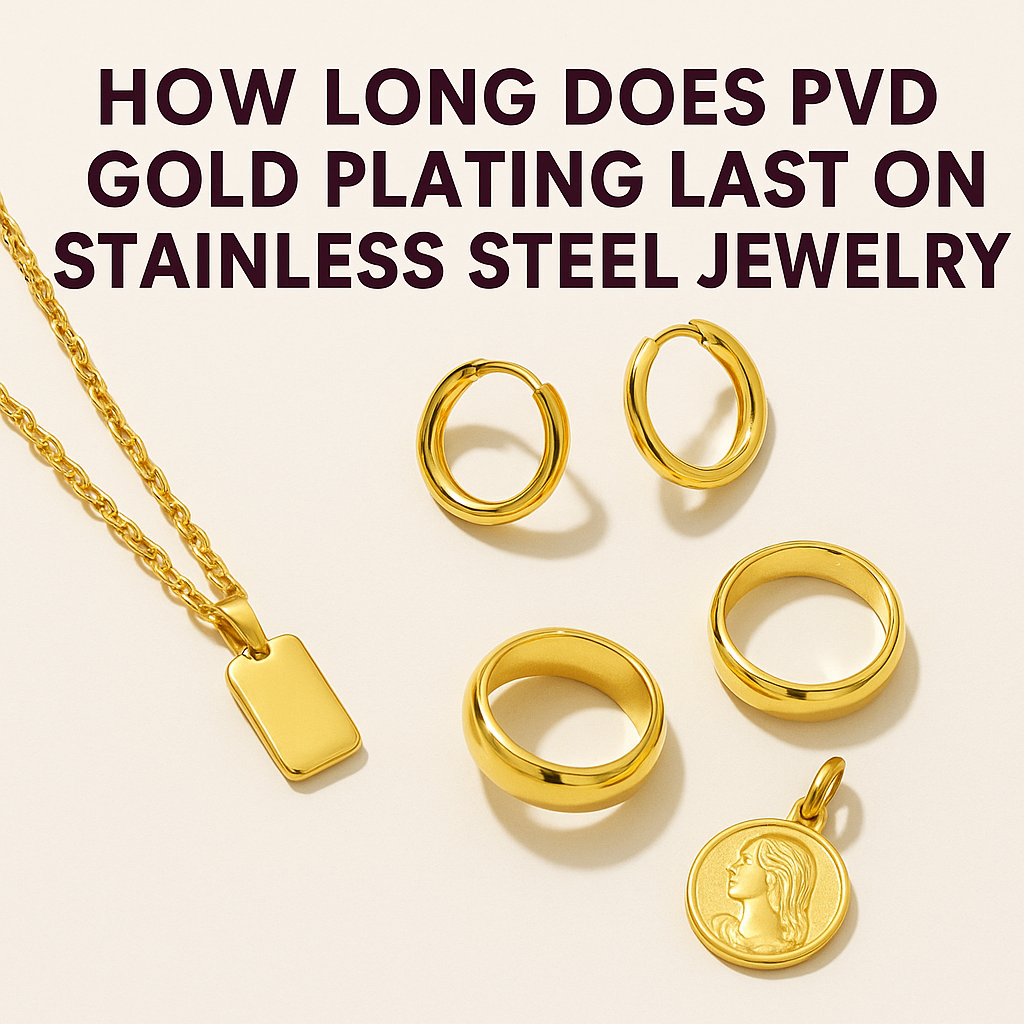
The fashion jewelry wholesale sector is seeing major changes thanks to new material innovations. Take recycled brass for instance, which comes from industrial waste and cuts down on mining damage by around three quarters. Still works great for detailed designs despite being recycled. Then there's titanium, super strong yet light weight, plus won't irritate skin even after long periods of wearing. Perfect choice for people with sensitive skin who want something durable enough for daily use. And let's not forget about PVD coatings on silver items. These microscopic layers actually last much longer than regular plating methods, standing up better against scratches, tarnishing, and general wear and tear over time. All these options show that going green doesn't mean compromising quality. Consumers increasingly want jewelry that looks good but also stands behind ethical production practices while lasting years instead of months.
Making money in 2026 will require smart decisions rather than random shots in the dark when it comes to setting prices, managing stock levels, and keeping the brand message consistent. The rise of online business-to-business marketplaces has made it harder to hide price differences, so companies need to think carefully about their margin strategies. For high-end product lines, focusing on quality workmanship and compelling brand stories helps support those premium prices. Meanwhile, products aimed at everyday consumers need different tactics. These items depend on streamlined manufacturing processes, responsible scaling practices, and getting goods to customers quickly without breaking the bank. Getting this right means understanding what each segment demands from their shopping experience.
Inventory strategy follows a proven tripartite model:
This structure minimizes markdowns and overstock while preserving flexibility. Crucially, restocking decisions must be guided by real-time sales analytics—not intuition—enabling rapid response to demand fluctuations.
Finally, brand alignment is the connective tissue across every decision: product curation, packaging, and marketing must consistently reflect core values—whether sustainability, innovation, or inclusive design. In 2026, coherence isn't cosmetic; it's the foundation of trust, loyalty, and long-term wholesale success.

 EN
EN
 Hot News