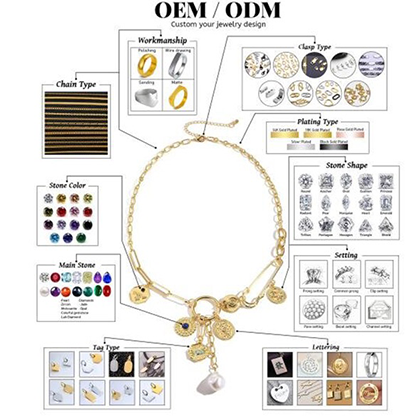
The big names in the business mix Google Trends info with what actually sells at stores to figure out how jewelry demand goes up and down over time. When people start searching for stuff like layered necklaces or holographic earrings online, that's usually one of the first signs something is trending. Looking back at past data also shows clear patterns around holidays - take charm bracelets for instance, folks tend to look them up about two months before Mother's Day comes around. Smart retailers watch these signals closely and change their stock accordingly. If coastal themed jewelry starts getting 25% more attention compared to last quarter, many stores will put about half of their spring and summer inventory into those designs. This approach lets businesses jump on temporary fads quickly while still keeping steady sales going in staples like sterling silver pieces that customers keep buying throughout the whole year.
Effective inventory segmentation classifies items by velocity and strategic value:
| Category | Turnover Rate | Typical Items | Replenishment Strategy |
|---|---|---|---|
| A-items | Weekly | Viral TikTok pieces | Automated reorders (≤3 days) |
| B-items | Monthly | Birthstone collections | Buffer stock + seasonal review |
| C-items | Quarterly | Classic studs/hoops | Bulk shipments (6-month cycles) |
The fast selling A items in our catalog, think those custom name necklaces everyone loves, typically bring in around 30% of total sales but need checking every week to keep stock right. We've found that when we use these smart safety stock calculations that adjust automatically as sales pick up or slow down, we cut down on running out of popular styles by almost two thirds. For our mid range B and C products that cost more per unit, putting RFID tags on them really helps track where things go. Some big wholesale companies have seen their losses drop by about 22% after implementing this tech. Breaking products into different categories like this frees up cash flow so we aren't stuck holding onto stuff no one wants, but still have enough inventory ready when the hot new trends hit.
Getting the sourcing right means finding good platforms and thoroughly checking out suppliers if we want to make money in fashion jewelry wholesale. Look for partners who have reliable supply chains, follow important regulations like REACH and CPSIA, and can scale up production when seasons change and demand spikes. The digital tools available today let businesses track how suppliers perform in real time. On time deliveries sit around 89% industry wide, while defect rates tell another story altogether these are critical factors that help reduce the headaches associated with fulfilling orders. Before jumping into any partnership though, it pays to get all the details sorted out upfront regarding minimum order quantities, how long things take to arrive, plus whether they actually care about fair labor practices across their operations.
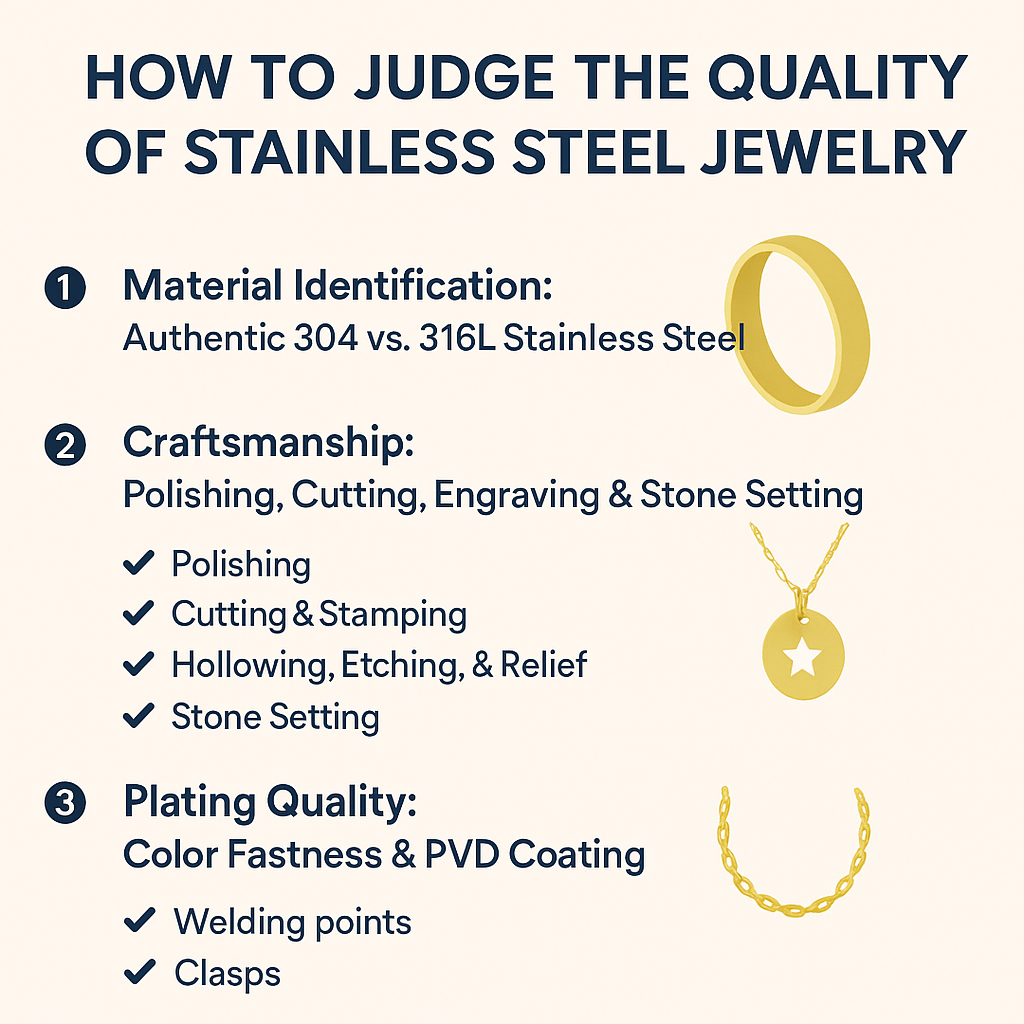
Quality control at multiple stages is absolutely essential when it comes to reducing returns in the wholesale fashion jewelry market. The process needs to cover everything from checking material integrity to testing how well the plating holds up over time and making sure clasps actually work properly. Lab tests for harmful substances like nickel and cadmium are becoming standard practice these days. Around 72 percent of business-to-business customers simply won't work with suppliers who can't show proper documentation from third party labs. When talking about ethical sourcing, companies need actual proof that workers are getting fair pay, working in safe environments, and that minerals come from known sources. More and more wholesalers are starting to implement blockchain technology for tracking products through the supply chain. This isn't just about keeping up with what retailers want regarding sustainability claims anymore either. These transparency measures help build real trust between businesses throughout the entire supply network in the long run.
The 50/40/10 rule works pretty well for managing inventory stock levels. Fifty percent of the budget should go toward those timeless basics like minimalist necklaces, simple stud earrings, and those high quality hoop styles that keep selling even when markets get shaky. Forty percent covers the trendy stuff we track through what people are searching online, how fast things are trending on social media, and restocking every six to eight weeks based on what's hot right now. And then there's that last ten percent for testing out new designs in small batches first. This approach helps avoid too much excess stock while still catching those fast moving trends which have sped up by about two thirds compared to before 2023. Retailers who use smart data analysis for their product mixes see around 23% better sales performance overall. What really matters though isn't just matching fashion seasons, it's understanding what wholesale buyers actually want these days. More and more stores are asking for jewelry they can customize at checkout or mix and match different components, giving customers something unique right at the register.

 EN
EN
 Hot News