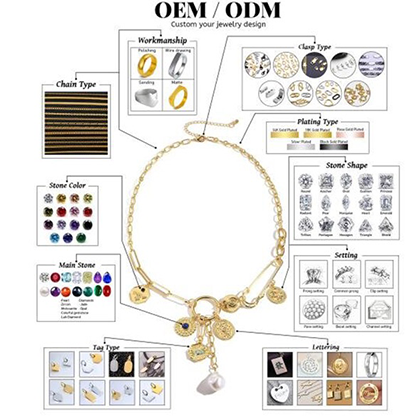
The shift from minimalist to sculptural forms is reshaping buying patterns across fashion jewelry wholesale channels. Today’s top-ordering designs feature fluid curves, inflated links, and asymmetrical silhouettes—forms that command attention on digital shelves and reflect a broader consumer desire for wearable art. Hand-finished silver and matte gold finishes are leading this movement, striking a balance between high-fashion presence and everyday wearability. Unlike polished, industrial aesthetics, these textured, artisanal surfaces support premium retail pricing while aligning with evolving taste for intentional, tactile design. The global fashion jewelry market is projected to reach £340 billion by 2026, growing at a compound annual rate of 12%—a strong signal that bold, three-dimensional pieces are not a passing trend, but a commercially durable direction. Wholesalers who prioritize oversized silver forms and brushed-gold chains now gain strategic advantage: longer lead times allow for careful craftsmanship, and flexible MOQs enable responsive scaling to demand.
Chunky chains and oversized gemstone accents have moved beyond seasonal novelty into core inventory—especially for distributors targeting Gen Z and millennial buyers. Global demand for chunky bangles and cuffs rose 10% year-on-year through early 2025, underscoring their staying power. The key to profitability lies in intelligent design: lightweight hollow links deliver visual impact without excess weight or material cost, while semi-precious beads paired with modular chain segments create layered, customizable looks across price points. Detachable units and interchangeable pendants let sellers offer “build-your-own” versatility—reducing SKU sprawl and minimizing slow-moving stock. This approach preserves margins and supports the personalization ethos that drives repeat engagement and cross-category bundling.
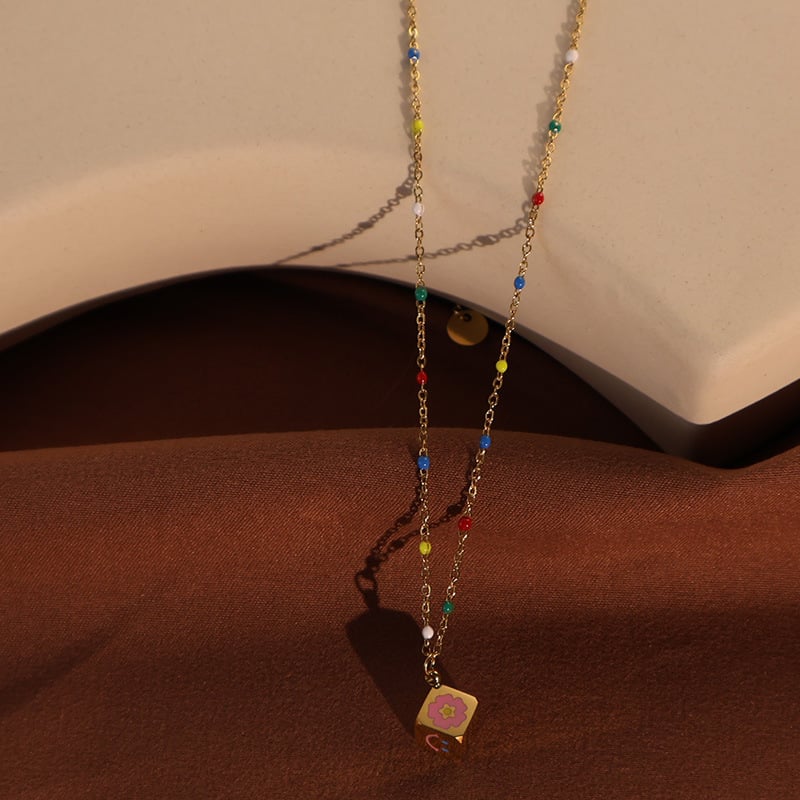
Modern pearls are redefining tradition—not as delicate heirlooms, but as dynamic, textural anchors in contemporary collections. Wholesale buyers increasingly seek baroque freshwater pearls set within geometric metal frames or accented with bold enamel. This fusion bridges heritage and modernity, appealing across age groups and styling preferences. Enamel jewelry has surged in relevance: 67% of leading retailers prioritized enamel-accented pieces for Spring 2026 (Fashion Trend Report 2026), drawn to its saturated, pigment-rich hues—unachievable with natural stones alone. Its functional advantages are equally compelling: lower production costs than precious gems and strong emotional resonance, particularly amid dopamine dressing trends. Baroque pearls further enhance inventory agility—one irregular shape works seamlessly across necklaces, earrings, and bracelets—reducing design redundancy and increasing per-piece utility.
Combining brushed gold and matte silver isn’t just stylistically current—it’s operationally intelligent. Wholesalers report 15% higher gross margins on mixed-metal designs versus single-tone collections (B2B Jewelry Insights 2026), thanks to reduced SKU burden and stronger cross-seasonal performance. A single piece satisfies multiple colorway preferences, lowering forecasting risk and warehousing complexity. Shared base metals also streamline production—allowing consistent finishing techniques and material sourcing across lines. Critically, this approach minimizes markdown exposure: neutral yet dimensional, mixed-metal pieces resist trend fatigue and adapt effortlessly to evolving styling narratives, from quiet luxury to bold maximalism.
The fashion jewelry wholesale landscape is undergoing a profound shift toward ethical practices—not as a marketing add-on, but as a structural imperative. Wholesalers now evaluate suppliers through dual lenses: ecological responsibility and human-centered labor standards. This evolution responds directly to buyer expectations for transparency, traceability, and purpose-driven partnerships across the supply chain.
Leading wholesalers are embedding sustainability into procurement—not as exception, but as baseline. Recycled gold and silver reduce mining demand by up to 95% (Sustainable Jewelry Report 2024), while lab-grown stones cut carbon emissions by 75% and eliminate child-labor risks entirely. Blockchain-enabled traceability now verifies ethical provenance from mine to market, and adoption of the Responsible Jewellery Council (RJC) standard has grown 42% since 2023—evidence of systemic commitment. Scalable, responsible sourcing is no longer aspirational; it’s operational:
| Material Type | Environmental Benefit | Ethical Assurance |
|---|---|---|
| Recycled Metals | Reduces mining waste by 89% | Eliminates conflict mining risks |
| Lab-Grown Stones | 75% lower carbon footprint | Guaranteed child-labor-free |
| Traceable Gems | Supports regulated mines | Blockchain verification available |
Symbolic design is proving to be one of the strongest drivers of reorder velocity—and emotional loyalty. Celestial motifs like crescent moons and constellations resonate deeply with consumers seeking meaning alongside aesthetics. Wholesalers report 30% higher reorder rates for personalized lockets, birthstone collections, and zodiac-themed lines—pieces that function less as accessories and more as narrative touchpoints. These emotion-led collections transform static inventory into storytelling vehicles, with longevity built into seasonal rotations. When design carries intention—and sourcing carries integrity—the result is not just repeat orders, but enduring partnerships.
Sculptural silhouettes refer to bold, three-dimensional forms like fluid curves, inflated links, and asymmetrical shapes that make jewelry pieces stand out as wearable art.
Mixed metals are operationally intelligent, offering higher margins and reducing SKU complexity by appealing to multiple colorway preferences while minimizing marking risks.
Ethical sourcing ensures ecological responsibility and compliance with labor standards, appealing to consumer expectations for transparency and traceability, and reducing operational risks.
Modern pearls, such as baroque freshwater designs, bridge traditional and contemporary styles, offering versatility in necklaces, earrings, and bracelets while appealing to various age groups.
Celestial motifs and personalized items resonate emotionally with buyers, transforming jewelry from mere accessories into storytelling vehicles, thereby increasing reorder rates.

 EN
EN
 Hot News