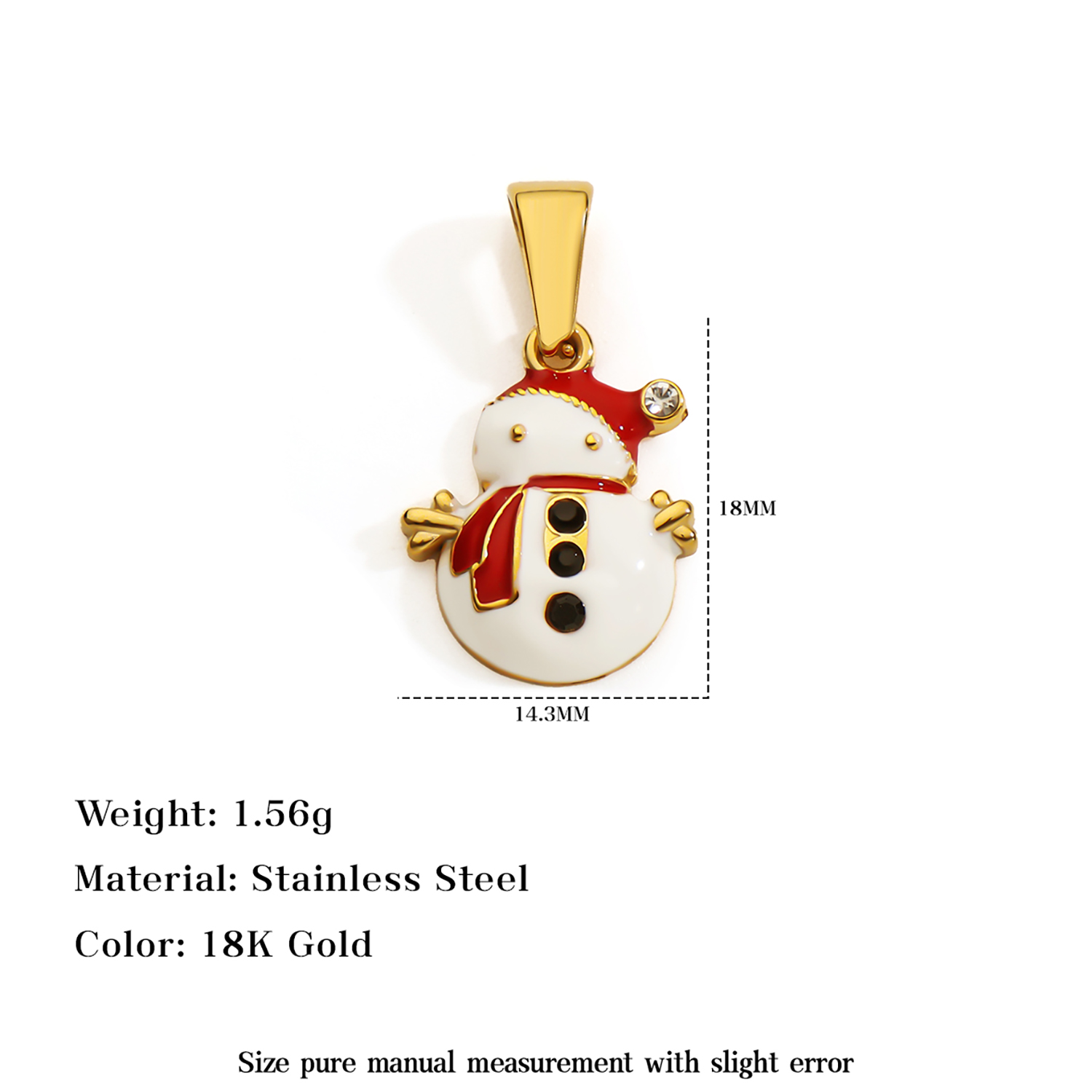
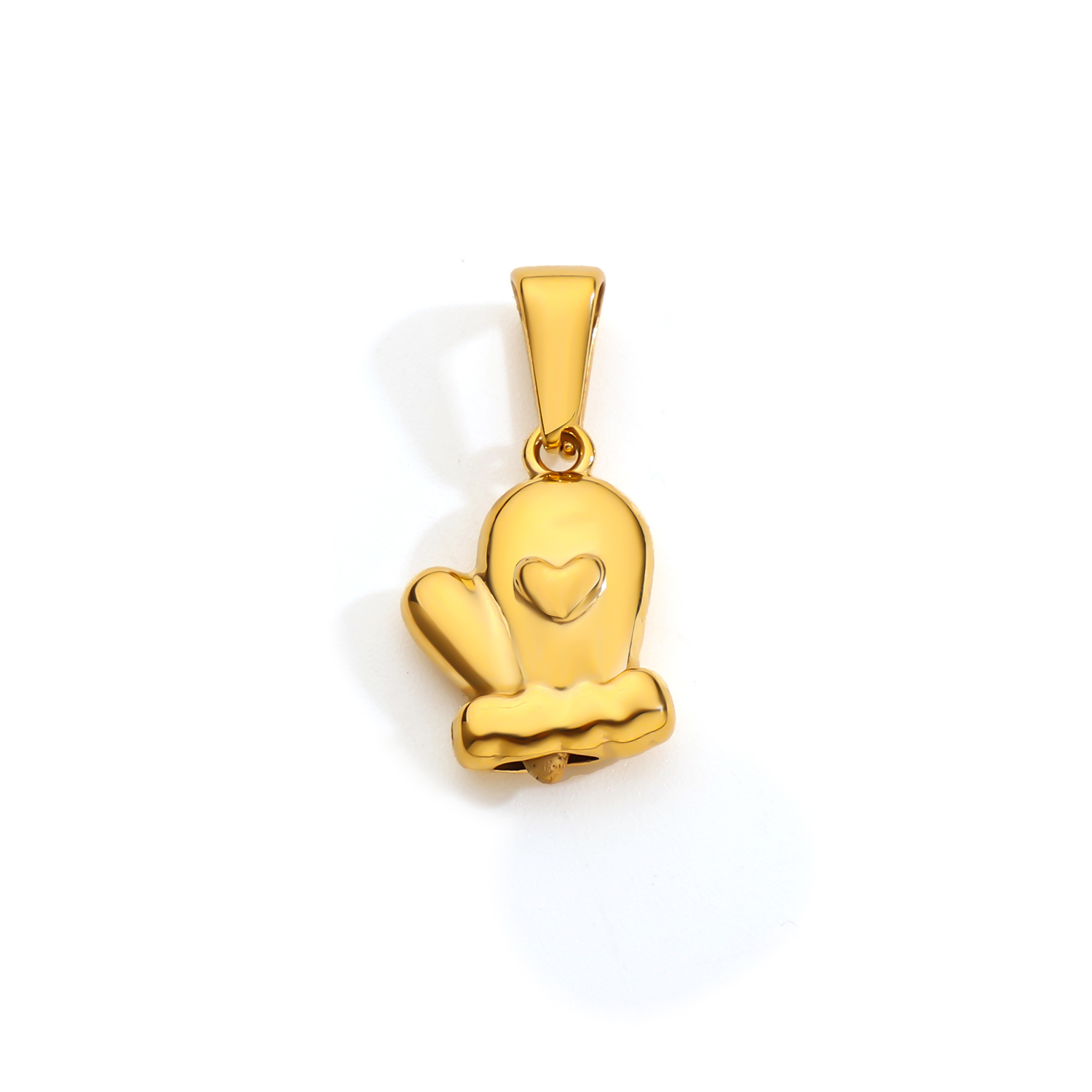
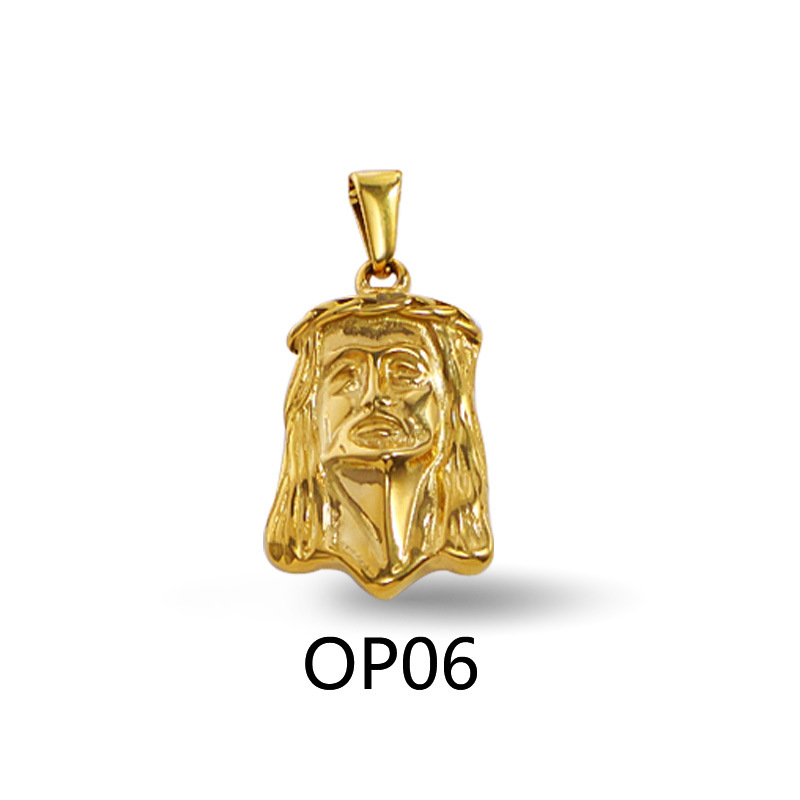
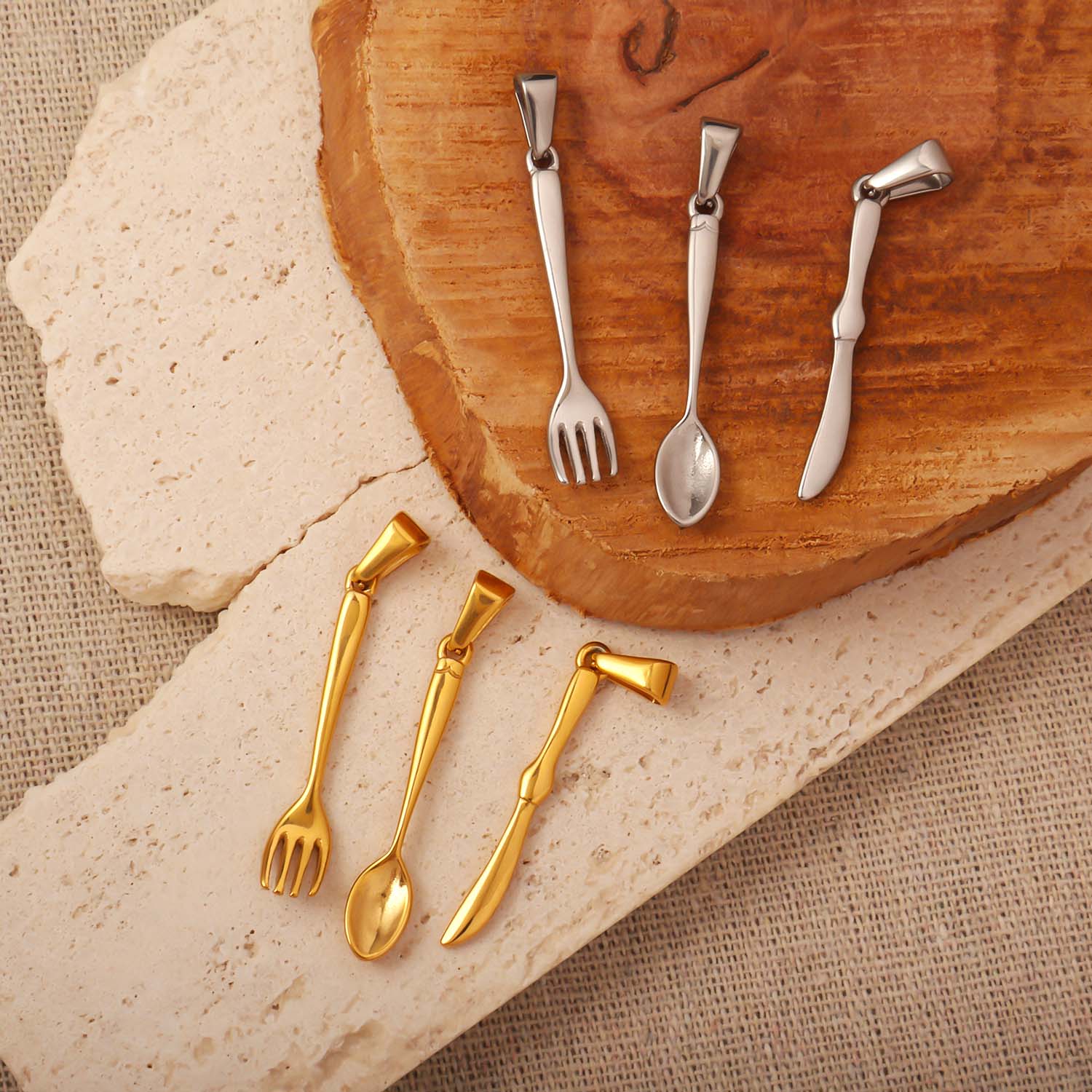
Unlike many metals that quickly degrade when exposed to chlorides, 316L stainless steel jewelry resists attack from saltwater, perspiration, and airborne pollutants. Its 2–3% molybdenum content stabilizes the surface against chloride-induced pitting—a key advantage over standard 304 stainless steel, which lacks molybdenum and may develop corrosion spots after repeated sweat exposure. The “L” designation signifies low carbon content (≤0.03%), which prevents carbide precipitation at grain boundaries during fabrication or wear—preserving corrosion resistance where it matters most. This makes 316L ideal for daily use in coastal climates, during exercise, or in cities with de-icing salts and acidic rain. Thanks to this robust chemistry, pieces retain their polish and structural integrity without rust, discoloration, or dulling—even after a day at the beach.
The durability of 316L stainless steel jewelry is anchored by its self-repairing passive oxide layer. Chromium (16–18%) reacts with ambient oxygen to form a thin, transparent chromium oxide film that bonds tightly to the metal surface. If scratched, the layer reforms spontaneously in the presence of oxygen—blocking further oxidation. Unlike silver or copper, which tarnish visibly when reacting with atmospheric sulfur compounds, 316L’s oxide layer remains stable under normal conditions and requires no polishing or chemical treatment to maintain its luster. It also inhibits galvanic corrosion when in contact with other metals, supporting safe mixed-metal designs. This inherent stability is why 316L is widely recognized as “surgical stainless steel”: it resists both environmental degradation and the gradual breakdown that shortens the lifespan of less resilient materials.
316L stainless steel jewelry combines high tensile strength (minimum 485 MPa) with exceptional ductility (≈40% elongation), enabling it to absorb energy before fracturing. This balance prevents brittle failure when dropped or struck—allowing the metal to deform slightly rather than crack upon impact. In real-world scenarios—like a bracelet bumping a desk edge or a chain snagging on clothing—the austenitic microstructure remains stable even after cold working, preserving structural integrity across years of repeated stress. Unlike harder but more brittle alternatives, 316L retains toughness without sacrificing strength. For wearers, this translates to rings and pendants that hold their shape, resist deformation at stress points, and rarely require repair—enhancing long-term value and reliability.
316L stainless steel jewelry is widely trusted by individuals with sensitive skin due to its proven biocompatibility and controlled nickel release. Its hypoallergenic profile supports continuous, long-term wear—directly reinforcing durability by eliminating the need for removal due to irritation or inflammation.
Jewelry-grade 316L is processed to limit nickel migration well below levels known to trigger allergic responses. This compliance is verified through ASTM F2129 electrochemical testing—a standard developed specifically for evaluating corrosion resistance and ion release in implant-grade alloys. Because the stable passive oxide layer prevents metal ions from leaching into skin or moisture, 316L remains safe and comfortable during prolonged contact with sweat or humidity. As a result, wearers experience consistent comfort and confidence—further extending the functional lifespan of each piece.
What makes 316L stainless steel jewelry resistant to corrosion?
The addition of 2–3% molybdenum in 316L stainless steel stabilizes its surface, preventing chloride-induced corrosion from saltwater, sweat, and urban pollutants.
How does the passive oxide layer enhance 316L stainless steel jewelry's durability?
The self-repairing passive oxide layer forms when chromium reacts with oxygen, protecting the metal surface from oxidation and tarnish, even after scratches.
Why is 316L preferred for hypoallergenic jewelry?
316L releases controlled levels of nickel, compliant with ASTM F2129 standards, making it safe for long-term wear by individuals with sensitive skin.
Is 316L stainless steel scratch-proof?
While not fully scratch-proof, its surface hardness (HRB 90–95) ensures resistance to everyday wear, with micro-scratches often remaining imperceptible.
Can 316L jewelry contact other metals without risk?
Yes, the oxide layer inhibits galvanic corrosion, allowing safe mixed-metal designs without degradation.
 Hot News


 EN
EN