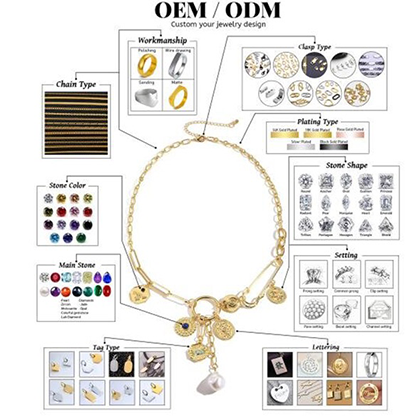
Selecting beads begins with three core metrics: density, durability, and drilling precision. High-density materials—like glass or semi-precious stones—deliver satisfying weight and scratch resistance but increase load on the stringing medium. A 6 mm round glass bead weighs roughly 0.35 grams, compared to just 0.12 grams for a resin counterpart of the same size. Off-center drill holes cause crooked alignment, leading to uneven wear on thread or wire and unbalanced designs. Reputable manufacturers use automated diamond-tipped drills to hold hole diameters within ±0.1 mm tolerance.
For pearls—whether freshwater or cultured—nacre thickness is the primary indicator of resilience; layers exceeding 0.5 mm significantly reduce chipping risk. When stringing, match hole size to your medium: a 0.8 mm hole accommodates most beading needles and double-strand nylon thread. Ignoring these parameters increases failure risk, especially in multi-strand pieces where cumulative stress amplifies small inconsistencies.
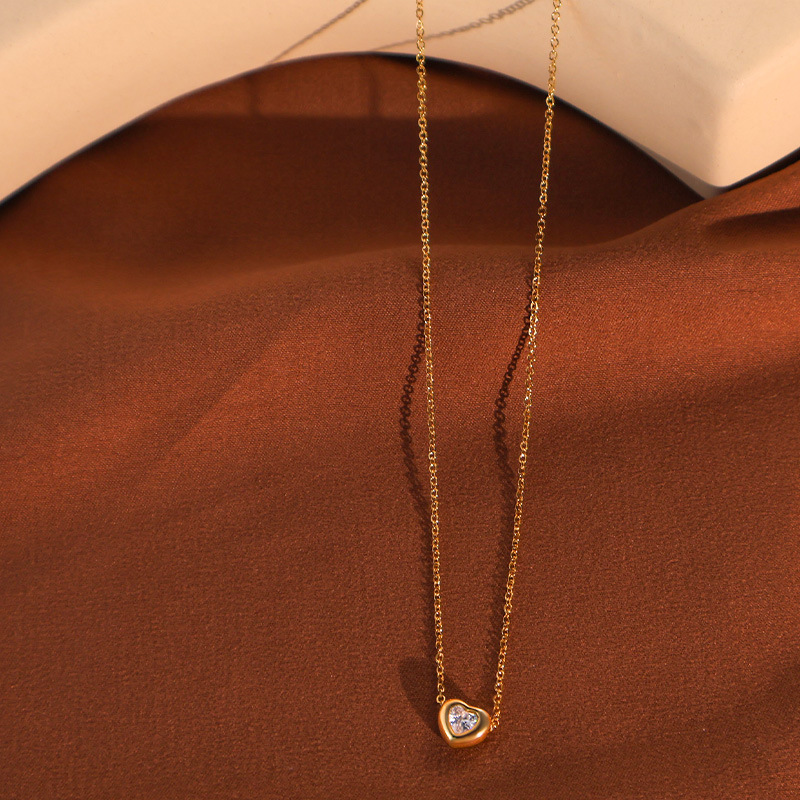
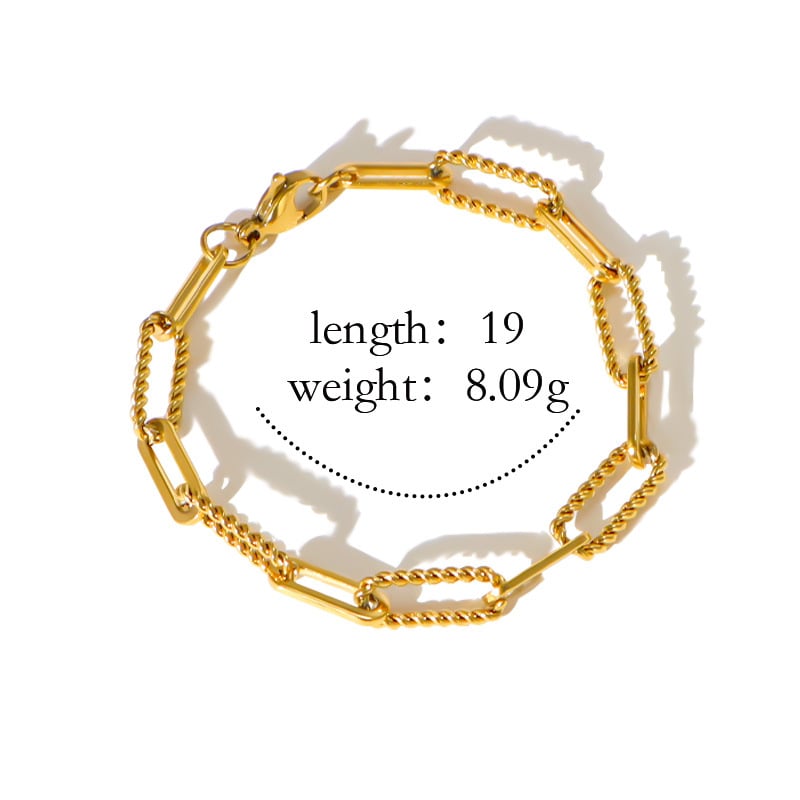
Chain selection shapes both drape and security. Cable chains—formed from uniform oval links—are prized for flexibility and strength; a 1.5 mm version withstands up to 30 pounds of tensile force. Rope chains feature twisted wire strands, offering texture and visual weight, but are prone to kinking under heavy use. Box chains consist of square, flat-laying links that resist snagging—but their mechanical joints reduce tensile strength by roughly 20% versus cable chains of identical gauge.
Clasp compatibility depends on chain profile and mass: a 3 mm spring ring pairs reliably with a 1.2 mm cable chain, while rope chains benefit from larger, smoother closures like 6 mm lobster clasps to prevent catching. The table below summarizes key distinctions:
| Chain Type | Typical Gauge (mm) | Tensile Strength (approx.) | Drape | Clasp Compatibility |
|---|---|---|---|---|
| Cable | 1.0–2.0 | 25–35 lbs | Flexible, even | Spring ring, toggle |
| Rope | 1.2–2.5 | 20–30 lbs | Thick, textured | Lobster, magnetic |
| Box | 1.0–1.8 | 18–25 lbs | Flat, stiff | Lobster, hook |
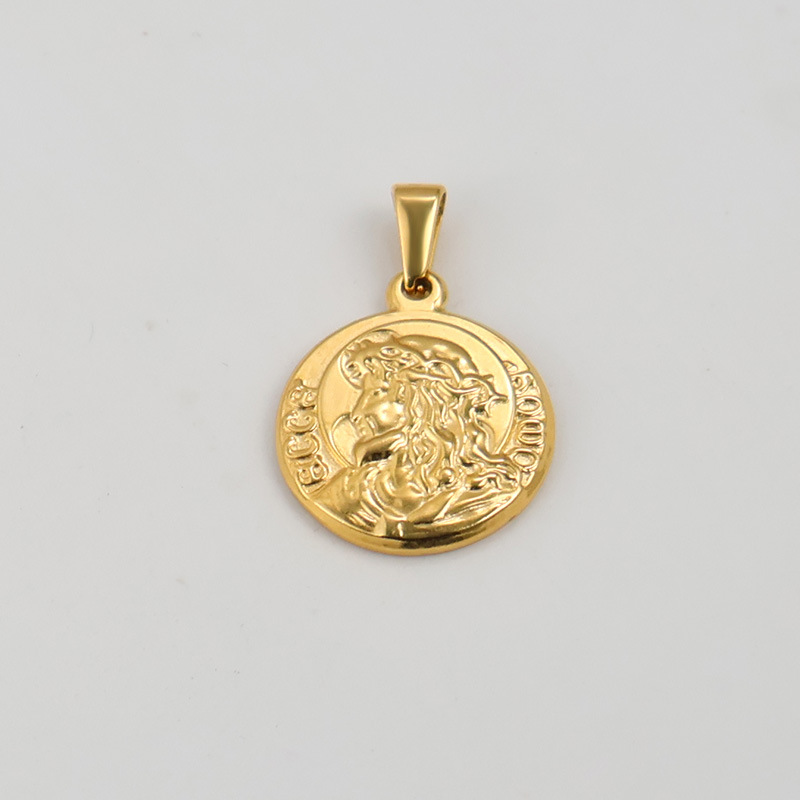
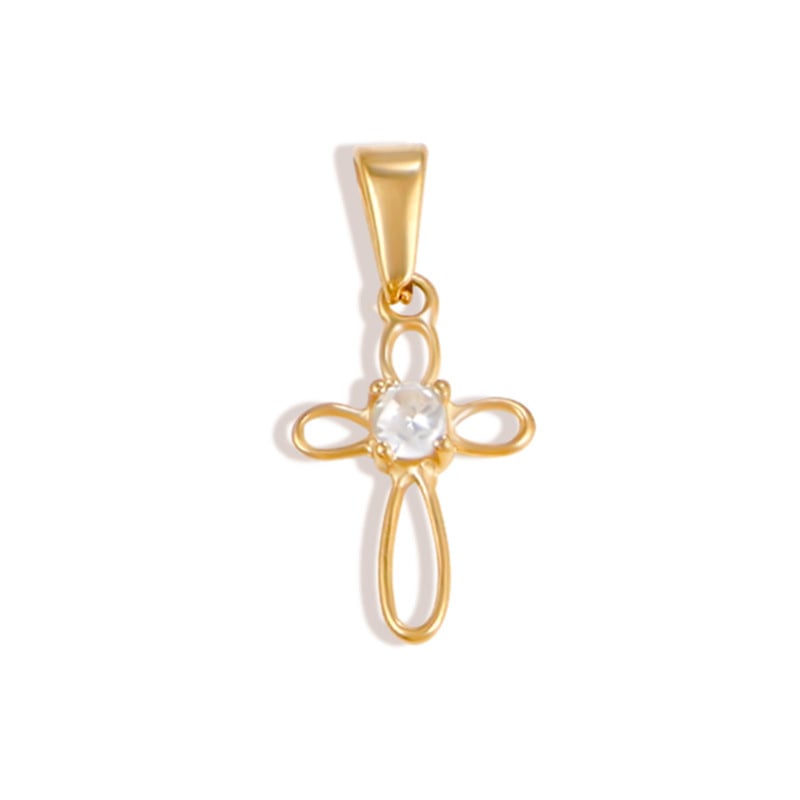
Charms and pendants demand scrutiny beyond aesthetics—metal composition, soldering quality, and hole placement determine long-term wearability. Sterling silver (92.5% silver) balances ductility and tarnish resistance with proper care, while gold-filled components (5% gold by weight) deliver lasting color without flaking. Stainless steel offers superior strength but requires laser welding to avoid thermal distortion during assembly.
Soldering integrity is non-negotiable: weakly joined bails or jump rings become failure points under daily cyclic stress. Holes must align precisely with the piece’s center of gravity—a 2 mm offset can cause forward tilt and visual distortion. For pendants over 10 grams, reinforce attachment with a split ring or a bail opening of at least 1.5 mm. Finally, hole diameter should match chain gauge closely: a 1.8 mm opening pairs optimally with a 1.3 mm cable chain—allowing smooth movement without excessive play.
Clasp choice directly impacts both security and user experience. Lobster clasps reliably withstand up to 15 pounds of tensile force—the highest among common options—and remain stable across repeated use. Spring ring clasps, though widely used, exhibit 30% lower pull strength in controlled testing and show earlier fatigue after ~500 open-and-close cycles. Magnetic clasps prioritize convenience but typically hold only 3–5 pounds, limiting them to lightweight earrings or delicate necklaces.
Ergonomic studies further inform selection: users with reduced hand strength achieve 40% less grip force when using lobster clasps equipped with side-release tabs versus standard spring rings. This makes side-release lobsters the preferred choice for accessible, secure jewelry design.
Jump ring performance hinges on two interdependent factors: wire gauge and aspect ratio (inner diameter ÷ wire thickness). Ratios below 3:1 minimize deformation under load; higher ratios increase susceptibility to ovaling and misalignment. For crimp beads, compression uniformity—not just pressure—is critical. Uneven flattening creates micro-gaps where wire can gradually slip. Standard 2×3 mm tube crimps hold 8–10 pounds when properly compressed using two-step pliers, provided consistent force (10–12 Newtons) is applied. Designers should pair 18–20 gauge jump rings with matching clasp connectors and verify crimp bead walls are symmetrical post-compression to ensure enduring structural integrity.
Pliers are foundational tools whose design dictates precision, efficiency, and longevity. Round-nose pliers excel at forming consistent loops and jump rings thanks to tapered jaws that evenly distribute bending stress—reducing metal fatigue and improving repeatability. Chain-nose pliers offer a flat, fine gripping surface ideal for opening/closing jump rings and manipulating wire in confined spaces; their hardened tips retain accuracy through thousands of operations. Bent-nose pliers provide an angled working plane that reduces wrist strain during repetitive tasks and improves leverage in tight areas.
For professional results, prioritize tools with case-hardened jaws and ergonomic grips. These features extend tool life, maintain calibration across high-volume work, and support consistent, fatigue-resistant assembly—especially when integrating delicate beads, fine chains, or precision crimps.
When selecting beads, prioritize density, durability, and drilling precision. Materials like glass or semi-precious stones are denser and more durable, but they increase the load on the stringing medium. Make sure the bead holes are properly centered for alignment and durability.
Cable chains are flexible and strong, rope chains offer a thick textured look but can kink, and box chains are flat-laying with reduced tensile strength compared to cables but resist snagging.
Focus on metal composition, soldering integrity, and hole alignment. Sterling silver and gold-filled metals offer durability. Ensure the holes are aligned centrally to prevent tilting, and the hole diameter matches the chain gauge.
Lobster clasps are the most secure and can withstand high tensile strength. Magnetic clasps are convenient but less secure for heavier jewelry, while spring rings are moderately secure but show fatigue after repeated use.
Round-nose pliers for forming loops, chain-nose pliers for fine manipulation, and bent-nose pliers for ergonomic handling are essential. Ensure all tools have case-hardened jaws and ergonomic grips for durability and precision.


 EN
EN
 Hot News