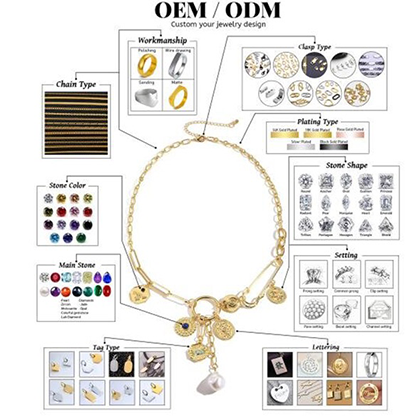
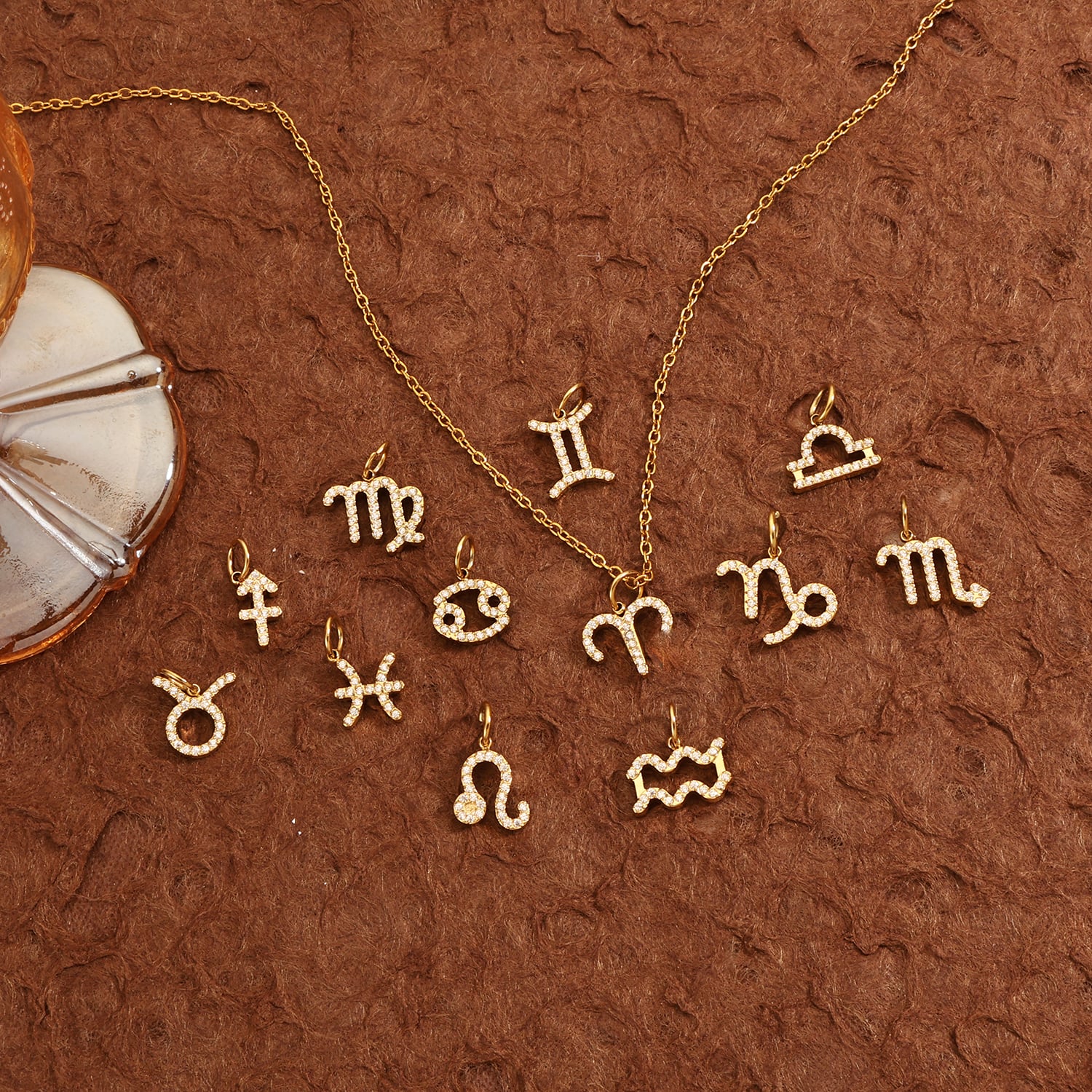
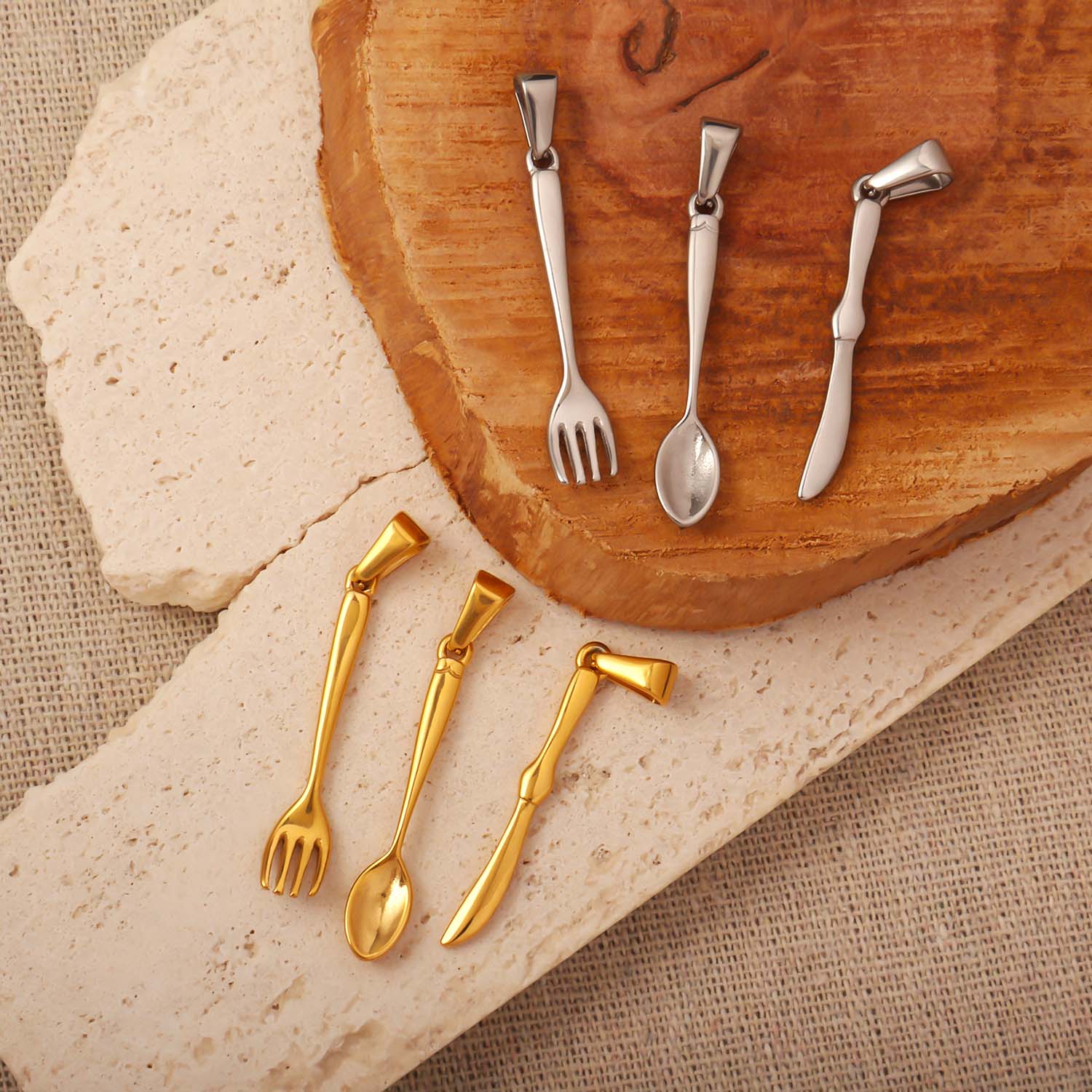
When companies invest in custom bling pendants, they're not just buying jewelry anymore. These unique pieces actually become powerful branding tools that stand out in crowded markets. People remember what looks good on someone else, right? That's why distinctive designs help brands stick in minds long after seeing them on display. Customers connect emotionally when they spot these special items worn by others, which changes how they view the company behind them. According to Nielsen research from last year, businesses that go this route see about 23 percent better brand recall compared to those stuck with factory-made stuff. What matters here isn't just looking fancy. The materials tell stories too. Using recycled metals speaks volumes about environmental responsibility while lab grown diamonds show commitment to ethical practices without sacrificing quality. At the end of the day, smart companies position themselves not just as sellers of products, but as partners in creating memories worth wearing.
Personalization drives measurable premium value in luxury markets. McKinsey’s 2023 report confirms emotionally resonant products command up to 30% higher price points—and the custom bling pendant sits at the heart of this shift. Its layered customization delivers compounding value across three key dimensions:
| Personalization Factor | Price Premium | Consumer Preference |
|---|---|---|
| Unique design elements | 22–28% | 68% choose over standard |
| Material customization | 18–25% | 74% value alignment |
| Engraved symbolism | 32–40% | 81% emotional connection |
Beyond pricing, personalization fuels loyalty: brands offering bespoke pieces see 45% higher repeat purchase rates. This isn’t about aesthetics alone—it’s revenue anchored in perceived exclusivity, narrative ownership, and psychological investment.
What materials go into making jewelry says volumes about what a brand stands for without saying a word. Gold still holds the crown as the gold standard for classic luxury pieces, but many companies are turning to recycled metal options now. These alternatives cut down on environmental damage by around 80% compared to mining fresh metal from the ground. According to McKinsey research last year, this matters to most high-end jewelry customers too, since roughly four out of five want their precious metals to come from responsible sources. Synthetic gems have made big waves lately too. They look exactly like real diamonds or sapphires under magnification, yet cost far less than mined equivalents. This appeals to folks who care about ethics but also need to watch spending limits. Brands that make these material decisions thoughtfully rather than just going for quick wins build stronger customer relationships over time. People start trusting them more when what they see in stores actually matches up with what the company claims to stand for.
When symbolism gets added to a simple pendant, it becomes something much more than just jewelry. Engraved elements like dates, names written on them, maybe even coordinates where something special happened all help lock in meaning forever. Think about cultural symbols too. Those intricate Celtic knot designs or the protective Hamsa hand shapes tell stories about traditions passed down through generations. Then there are those abstract shapes people put on pendants which let everyone interpret what they mean differently based on their own experiences. The little touches that make pieces look like heirlooms matter a lot too. Things like old fashioned filigree work, geometric patterns inspired by Art Deco styles, or textures created when metal is actually forged by hand instead of machines. These features scream craftsmanship and history in ways factory made items simply can't match. Research into how people view luxury goods suggests these storytelling elements boost the value people place on items by around two thirds. That means every single piece isn't just jewelry anymore but becomes a kind of personal diary worn close to the heart. People who buy these aren't merely wearing pretty necklaces. They're keeping alive the memories and meanings behind each unique creation.
The packaging serves as the initial tangible representation of what customers expect from a brand, especially when it comes to something special like a custom bling pendant. When we talk about velvet lined boxes or embossed sleeves alongside tissue paper featuring delicate designs, these elements turn opening the package into something memorable rather than just another box. Brands that stick to consistent colors while keeping logos understated and incorporating smart design touches like magnetic closures or ribbon handles actually tell their story long before anyone sees the actual pendant itself. Research indicates that this kind of attention to detail can boost how valuable people perceive products to be by around 30 percent. What starts as a simple purchase becomes an experience worth sharing online, creating emotional connections that naturally strengthen the brand identity over time without feeling forced.
When customers become partners in creation, something special happens with brand loyalty that lasts way beyond a single purchase. Think about those moments when someone picks out their own gemstone, approves where text will go on a ring, or helps design something meaningful for them personally. They put real thought and feeling into what they end up getting. There's this psychological thing called the IKEA effect at work here too – basically, people tend to value things more when they've put some effort into making them their own. Luxury jewelry companies know this well. The difference between someone buying a piece off the shelf versus creating something unique together? Night and day. Clients start seeing themselves as part of the brand story, connecting their personal touch with the craftsmanship and tradition behind the brand name.
What we see happening is something pretty special when it comes to customer loyalty. When someone creates their own custom bling pendant, it turns into so much more than just another piece of jewelry. Think about it as something that tells stories, sparks interesting conversations at parties, and helps people remember brands without even trying. The whole business approach changes here. We aren't really in the business of selling ready made stuff anymore. Instead, we help our customers express themselves through these creations. People come back again and again because they want that unique feeling of making something truly their own. They bring their ideas, their style, sometimes even their deepest values into what gets created. That kind of connection just cant be replicated anywhere else.
Custom bling pendants are personalized jewelry pieces that serve as unique branding tools, allowing companies to differentiate themselves in the market through distinctive designs and material choices.
Choosing materials like recycled metals and lab-grown gemstones aligns with environmental and ethical values, strengthening brand perception as responsible and value-driven.
Personalization adds perceived exclusivity and emotional value, often resulting in higher pricing and increased brand loyalty as customers feel a stronger connection to personalized pieces.
Thoughtful packaging enhances the customer experience and reinforces brand identity through consistent design elements that make unboxing memorable.
The IKEA effect refers to the increased value customers place on items they've contributed to creating, thus enhancing their emotional connection and loyalty to the brand.
 EN
EN
 Hot News