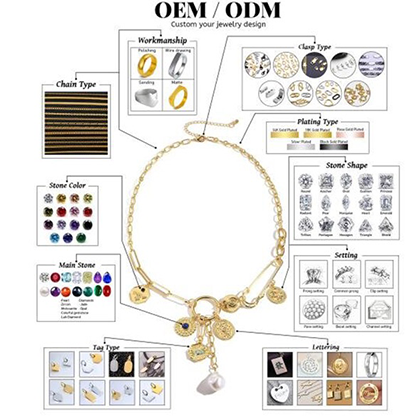
Factory direct jewelry brands face mounting pressure from dual raw material crises. Global demand for 925 sterling silver surged 18% year-over-year (Jewelers Board of Trade 2023), yet mining disruptions and refining bottlenecks have constrained supply. Simultaneously, over 60% of mid-market jewelers report traceability gaps in colored gemstone sourcing—exposing them to compliance risks as ethical audits intensify. This volatility cascades through production schedules, delaying orders by 3–5 weeks when silver inventories deplete unexpectedly. Bridging these gaps requires digitized material tracking and pre-vetted alternative suppliers—not as contingency plans, but as embedded resilience.
Siloed operations remain the primary amplifier of factory direct jewelry disruptions. When production planning, warehouse management, and e-commerce platforms operate independently, misalignment compounds across handoff points:
| System Disconnect | Impact on Factory Direct Jewelry | Average Cost Increase |
|---|---|---|
| Manufacturing vs. Logistics | Mismatched inventory/shipment dates | 12–15% delayed orders |
| Logistics vs. Retail | Oversold stock during promotions | 9% cancellation rate |
| Retail vs. Manufacturing | Custom order specification errors | $22k monthly rework |
This fragmentation extends lead times by 23% versus integrated competitors. Cross-departmental data sharing reduces fulfillment errors by 34%, confirming that operational consolidation is no longer a strategic preference—it’s foundational to scalability and trust.
By shifting sterling silver casting from overseas suppliers to North American partners, a leading U.S. fine jewelry brand reduced production lead times by 42%—saving $740k annually in delay-related costs (industry analysis 2023). This strategic nearshoring addressed two critical vulnerabilities: unpredictable shipping bottlenecks and quality inconsistencies from distant manufacturers.
| Diversification Strategy | Outcome |
|---|---|
| Supplier regionalization | Reduced supplier risk from 85% to 35% |
| Localized silver casting | 6-week faster order fulfillment cycle |
The brand now maintains three vetted regional partners for core components, enabling rapid scaling during demand surges. Crucially, this model preserves rigorous quality control for ethically sourced materials—a non-negotiable in fine jewelry, where traceability gaps can trigger regulatory penalties and reputational harm. Proactive localization transforms supply chains from reactive cost centers into strategic assets.
Blockchain technology revolutionizes ethical provenance in factory direct jewelry by creating immutable digital trails from mine to market. The 2023 GIA Industry Report reveals that 78% of luxury buyers demand verifiable origin data for precious materials—driving adoption across gold and diamond pipelines. This decentralized ledger system eliminates documentation fraud while providing real-time verification of ethical mining certifications, conflict-free sourcing compliance, and carbon footprint metrics. By automating custody transfers, blockchain reduces human error in gemstone tracking by 92% compared to manual systems. Jewelry manufacturers leveraging this tech report 40% faster certification processes with international customs authorities.
Navigating heightened ethical scrutiny requires systematic alignment with the Responsible Minerals Initiative (RMI) and Responsible Jewellery Council (RJC) frameworks. With third-party audits increasing by 35% annually since 2021, factory direct operations must implement:
| Compliance Phase | Critical Actions | Risk Mitigation |
|---|---|---|
| Pre-Assessment | Supply chain mapping to Tier-3 suppliers | Identify high-risk sourcing regions |
| Implementation | SMETA-compliant labor policies | Prevent child labor violations |
| Verification | Annual RJC Code of Practices audit | Maintain Chain-of-Custody certification |
Proactive adherence cuts non-conformance penalties by up to 67% while strengthening consumer trust through transparent reporting. Manufacturers should integrate automated due diligence platforms to centralize documentation for auditor access—reducing compliance overhead by 23 staff-hours monthly.
IoT sensors transform inventory management for factory direct jewelry operations by delivering real-time visibility into materials and finished goods across production stages. These devices monitor stock levels, location, and movement—feeding live data directly into ERP systems to automate replenishment triggers. When combined with demand forecasting algorithms, this integration prevents stock-outs during peak sales cycles and reduces overstock by up to 30% through predictive ordering. Real-time dashboards surface discrepancies—such as delayed shipments or quality holds—enabling immediate corrective action. This end-to-end visibility eliminates manual counts, synchronizes manufacturing with retailer demand, and cuts carrying costs and lost sales. For dropshipping models, the system dynamically adjusts allocations based on actual consumption—not estimates—ensuring responsiveness without excess inventory.
What is causing the sterling silver shortages?
Mining disruptions and refining bottlenecks have constrained the supply of 925 sterling silver.
How can factory direct jewelry brands improve traceability in gemstone sourcing?
Brands can implement digitized material tracking and work with pre-vetted alternative suppliers.
What benefits does blockchain technology offer in jewelry production?
Blockchain creates immutable digital trails from mine to market, eliminating documentation fraud and providing real-time verification of ethical sourcing compliance.
How do IoT sensors improve inventory management?
IoT sensors offer real-time visibility into stock levels and movement, integrate with ERP systems, and help automate replenishment triggers.

 EN
EN
 Hot News